Description
 Commercial greenhouse operations in the United Kingdom face a unique set of engineering challenges. Unpredictable weather, rising energy costs, and the demand for year-round crop production place enormous pressure on the mechanical systems that keep these facilities running. Among the most critical — yet frequently underestimated — components in any modern greenhouse is the gear rack. Whether it is driving a ventilation ridge vent, positioning a motorised irrigation boom, adjusting a retractable shading screen, or synchronising a conveyor system in a large-scale nursery, gear racks for greenhouse automation are at the mechanical heart of virtually every precision movement system.
This guide draws on over 18 years of field experience in power transmission engineering to give UK growers, facility managers, and procurement specialists the practical information they need to specify, install, and maintain gear rack systems that genuinely deliver. From the chalk-land nurseries of Kent to the polytunnel clusters of the Scottish Highlands, the operating demands differ — but the underlying engineering principles remain consistent. Understanding those principles is what separates a greenhouse that hums along efficiently from one that suffers repeated mechanical failures and costly downtime.
This article covers the technical characteristics of gear racks for greenhouse systems, their primary applications, material selection, real-world performance data, a verified customer case study, and a practical FAQ designed to answer the questions UK buyers actually ask. Wherever relevant, specific product recommendations from Ever Power’s catalogue are referenced for context.
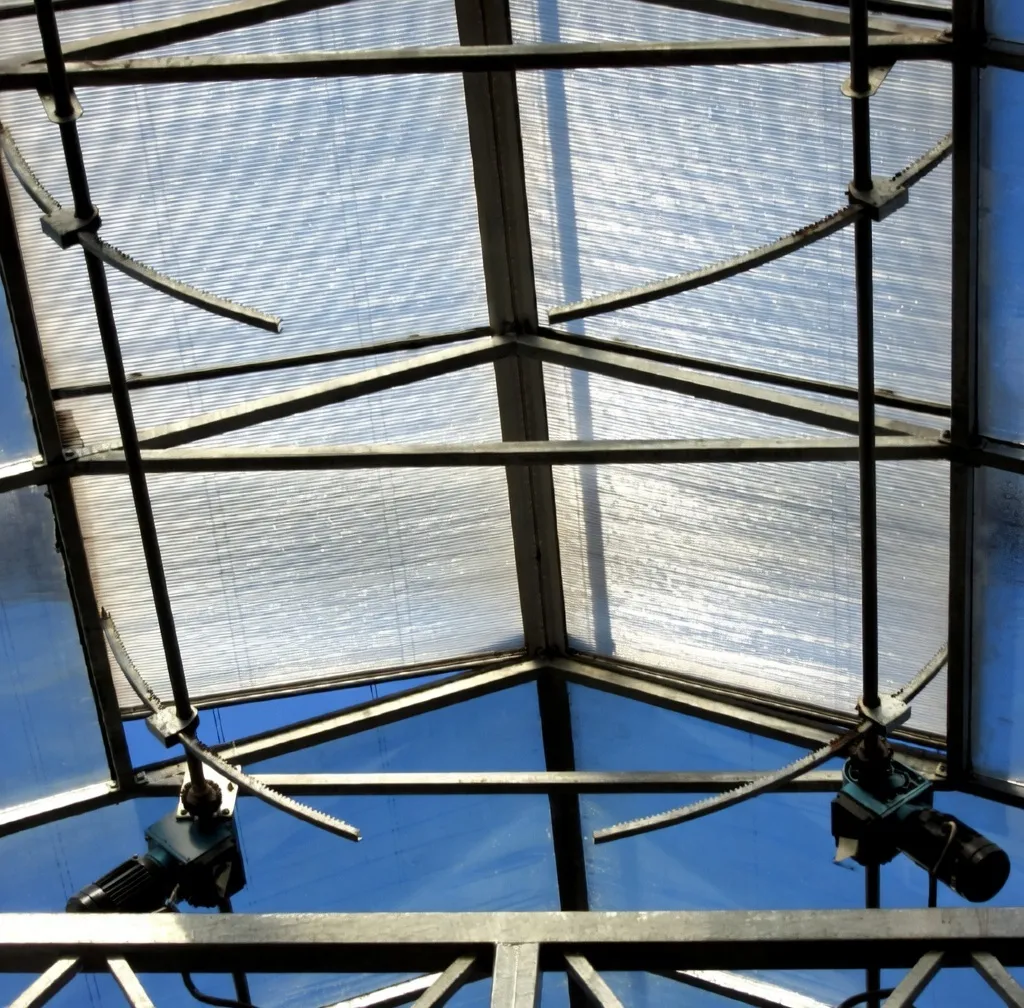
Custom Gear Rack Solutions — UK Supply
Ready to specify your greenhouse gear rack system?
What Is a Gear Rack and How Does It Work in a Greenhouse System?
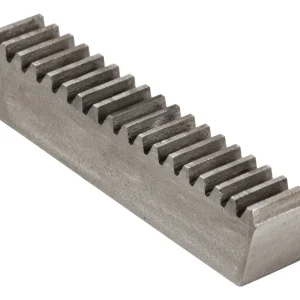
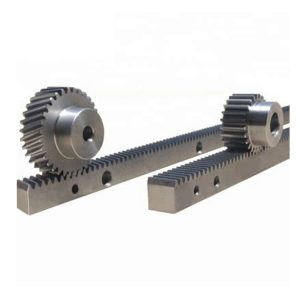
A gear rack is a linear toothed bar that works in conjunction with a circular pinion gear to convert rotational motion into precise, controllable linear movement. In the context of greenhouse engineering, this translates directly into the mechanical actuation of systems that must move smoothly, repeatedly, and under load — often in damp, corrosive, or thermally variable conditions. The rack and pinion mechanism is one of the oldest and most reliable forms of linear drive, and its continued dominance in greenhouse automation is no accident: it offers a ratio of mechanical simplicity to precision that few competing systems can match.
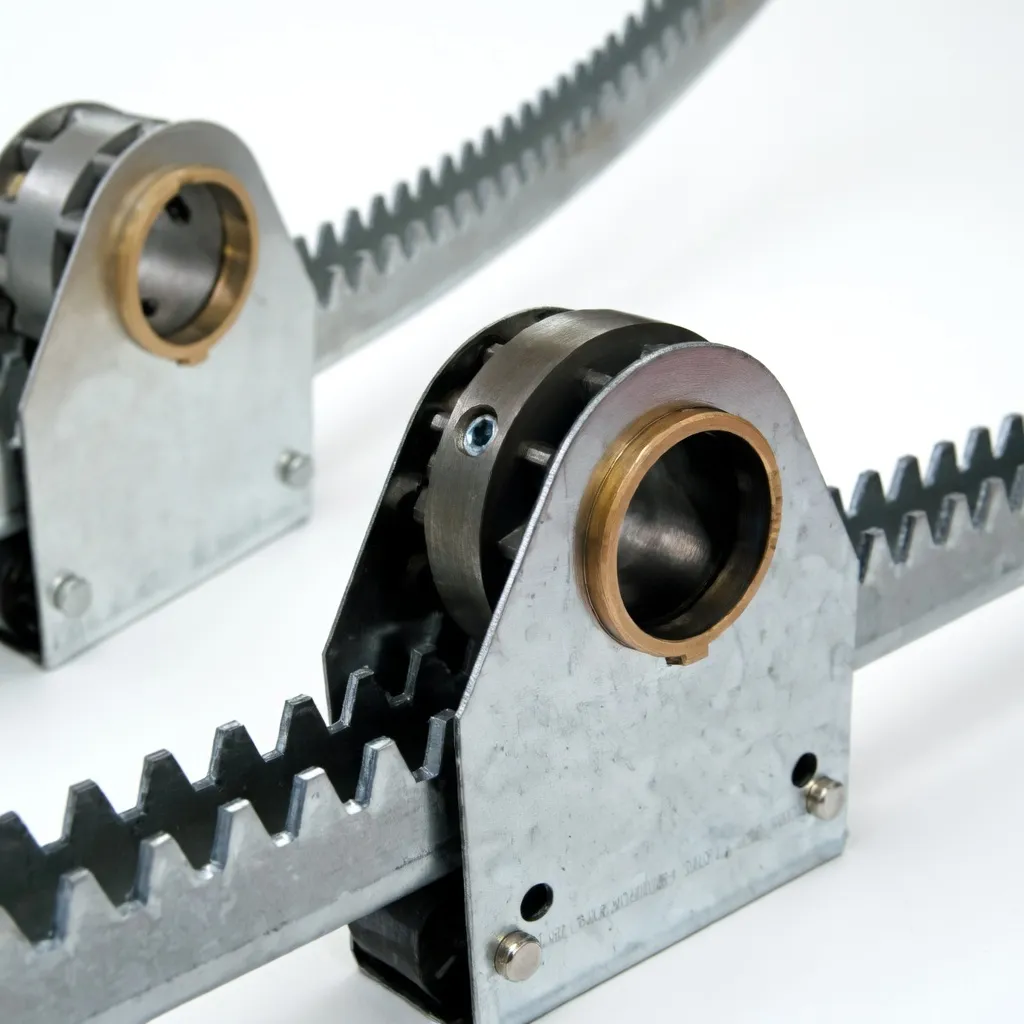
In a typical greenhouse installation, a motorised pinion gear engages with a static or semi-static gear rack mounted along the length of a structural rail or beam. As the motor drives the pinion, the carriage — whether it carries irrigation heads, shading panels, or sensor arrays — travels along the rack with repeatable accuracy. Modern greenhouse gear racks can be integrated with servo motors, stepper motors, or standard AC gearbox motors, making them compatible with both legacy automation systems and the latest PLC-driven control platforms increasingly popular among UK controlled environment agriculture (CEA) operators.
The precision of this movement is governed by module — the standardised unit of tooth size — and pitch, which determines how far the carriage travels per revolution of the pinion. Ever Power manufactures gear racks in modules ranging from M1 through to M10, with custom pitches available for bespoke greenhouse designs. This level of specification flexibility is essential when retrofitting gear racks into existing greenhouse infrastructure, where space constraints and legacy equipment interfaces must both be accommodated.
Technical Performance Parameters
| Parameter | Spur Gear Rack | Helical Gear Rack | Plastic Gear Rack |
|---|---|---|---|
| Module Range | M1 – M10 | M1 – M8 | M1 – M4 |
| Standard Lengths | 500 mm – 3000 mm | 500 mm – 2000 mm | 250 mm – 1000 mm |
| Material Options | C45 Steel, SS304, SS316 | C45 Steel, 42CrMo | Nylon, POM, UHMWPE |
| Max Load Capacity | Up to 8,000 N | Up to 12,000 N | Up to 1,200 N |
| Operating Temp Range | -20°C to +120°C | -20°C to +120°C | -10°C to +80°C |
| Corrosion Resistance | High (SS316 grade) | Medium – High | Excellent (inherent) |
| Noise Level | Moderate | Low | Very Low |
| Typical Greenhouse Use | Ventilation, conveyors | Screening, heavy drives | Light sensors, irrigation |
Six High-Impact Applications of Gear Racks in Commercial Greenhouses
Irrigation Boom Positioning
Gear racks drive overhead irrigation booms along precisely calculated tracks, delivering water and nutrients to exactly the right zones. In large-scale UK tomato and cucumber production facilities, boom travel distances of 80 m or more are common. A spur gear rack in M4 or M5 module, driven by a gearbox motor, provides the sustained linear force necessary without slippage or positioning drift over repeated daily cycles. The result is consistent crop hydration, reduced water waste, and the ability to implement zone-specific fertigation programmes.
Ridge Vent and Ventilation Control
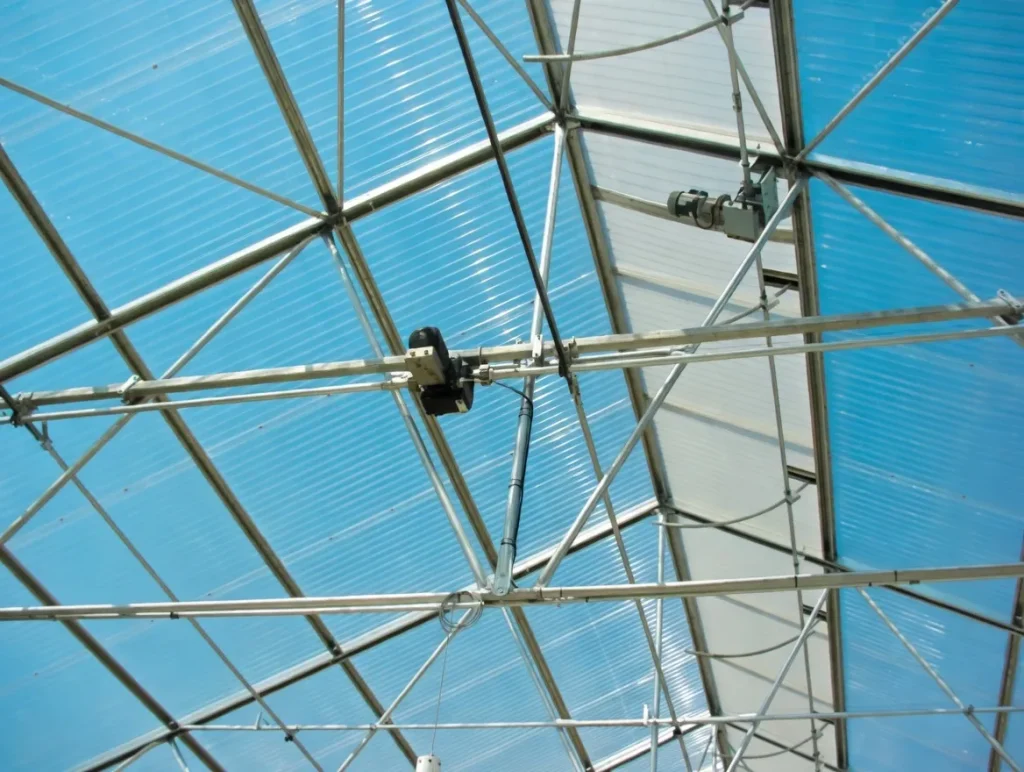
Roof ventilation in glasshouses demands linear actuators that can handle significant mechanical resistance — particularly when wind loads act against vent panels. Gear racks used in ridge vent drives must maintain their engagement under these dynamic conditions. Stainless steel gear racks with an M5 or M6 module are the standard specification for UK glasshouse ridge ventilation, offering the combination of load capacity and corrosion resistance demanded by the climate. Helical gear racks are increasingly preferred here for their lower noise output, which is a relevant factor in facilities close to residential zones.
Retractable Shading and Thermal Screens
Energy screens and shading systems are among the most commercially significant investments a UK greenhouse operator can make, given the country’s energy pricing environment. Gear racks provide the drive mechanism for screen drive systems, pulling fabric panels across spans of up to 50 m with consistent tension and without the slack or bunching that can compromise thermal performance. The precision of a rack-driven screen system also enables partial opening — critical for managing both temperature and humidity in transitional weather conditions common across England, Wales, and Scotland.
LED Lighting Rig Adjustment
As LED supplementary lighting becomes standard in UK professional horticulture, the ability to adjust light rig height across different crop growth stages has genuine commercial value. Gear racks mounted on vertical columns allow lighting arrays to be raised or lowered incrementally, maintaining optimal photosynthetic photon flux density (PPFD) as plant canopy height changes. In vertical farming installations — a growing sector in the UK’s urban agriculture scene — gear rack-driven light movers can serve dual functions, adjusting both height and lateral position across tiered growing shelves.
Plant Transport Conveyors
In high-throughput bedding plant and pot plant nurseries across the East Midlands and East Anglia, conveyor systems move thousands of units daily. Gear racks integrated into conveyor drive mechanisms ensure smooth, jolt-free transportation that protects fragile young plants and reduces spillage of growing media. Unlike chain drives, rack-based conveyor systems offer easier cleaning — a compliance advantage in facilities operating under GLOBALG.A.P. certification, which is increasingly standard for UK supermarket supply contracts.
Pest Exclusion and Side Wall Screening
Side vent insect screens and anti-thrip nets require a reliable drive mechanism that can operate many hundreds of times per season without failure. Plastic gear racks — specifically POM or nylon grades — are often the right specification choice here: they are inherently corrosion-resistant, self-lubricating to a degree, and sufficiently lightweight for side-wall screen drives where the load demands are moderate. Their use also simplifies compliance with organic certification schemes where certain lubricants are prohibited in proximity to food crops.
Materials, Principles, and Why the Chemistry Matters in a Greenhouse
The greenhouse environment is chemically aggressive in ways that many procurement teams underestimate. The combination of persistent high relative humidity — commonly above 85% RH in UK winter production — chloride-containing water sources, and the volatile organic compounds released by certain growing media creates conditions that accelerate corrosion far beyond what standard industrial gear racks are designed to tolerate. This is why material selection is arguably the single most important decision in specifying gear racks for greenhouse automation.
Carbon steel gear racks (typically C45 grade) offer excellent mechanical performance and are cost-effective for protected indoor locations where humidity is managed and the risk of direct water contact is low. Where condensation is frequent or the rack is located near irrigation pipework, a stainless steel specification — either SS304 or SS316 — is strongly advisable. SS316 contains molybdenum, which provides markedly superior resistance to chloride pitting, making it the correct choice for hydroponic and aquaponic greenhouse environments where salt-based nutrient solutions are standard.
For applications involving food contact zones or where zero lubricant contamination is required, engineering plastic gear racks in POM (polyoxymethylene) or UHMWPE (ultra-high-molecular-weight polyethylene) deliver a robust alternative. These materials offer low friction coefficients — reducing motor energy consumption — and inherent resistance to the full spectrum of agricultural chemicals. Their load capacity is lower than metallic options, but for the majority of light-duty greenhouse screen and sensor positioning drives, plastic gear racks are not only adequate but preferable.
| Material | Corrosion Resistance | Load Capacity | Ideal Application | Maintenance Frequency |
|---|---|---|---|---|
| C45 Carbon Steel | Low – Medium | High | Indoor conveyors, dry zones | Monthly lubrication |
| SS304 Stainless | High | High | Ventilation, irrigation booms | Quarterly inspection |
| SS316 Stainless | Very High | High | Hydroponics, coastal sites | Semi-annual inspection |
| POM / Nylon Plastic | Excellent | Low – Medium | Screens, sensor positioning | Annual inspection |
Eight Proven Advantages for UK Greenhouse Operators
Why commercial growers across England, Wales, and Scotland specify gear racks for their automation systems
01
Sub-millimetre Positioning Accuracy
Gear racks deliver repeatable positional accuracy that belt and chain drives simply cannot match in continuous-cycle greenhouse environments.
02
Seamless PLC Integration
Compatible with all major greenhouse climate computer platforms, including Priva, Ridder, and Hoogendoorn systems widely used across UK operations.
03
Long Service Life
Properly specified and maintained stainless steel gear racks routinely achieve 10+ years of service life in greenhouse environments, significantly reducing total cost of ownership.
04
Reduced Labour Dependency
Automation via gear rack systems directly offsets seasonal labour costs — a major operational concern for UK growers since changes to agricultural workforce availability post-2020.
05
Custom Configurations Available
Ever Power manufactures bespoke gear racks to customer-specified dimensions, tooth profiles, and surface treatments — critical for retrofit projects in existing greenhouse structures.
06
Energy-Efficient Operation
The high mechanical efficiency of rack and pinion drives (typically 90–95%) compared with hydraulic or pneumatic alternatives translates to meaningful energy savings across large installations.
07
No Stretch or Slack
Unlike belt or cable-based linear drives, gear racks do not stretch or develop slack under load — eliminating the periodic re-tensioning that adds maintenance overhead in busy growing seasons.
08
Scalable for Any Greenhouse Size
From a single 30 m polytunnel to a 20-hectare glasshouse complex, gear rack systems scale linearly — multiple rack sections join end-to-end to achieve any required travel distance.
Customer Success: Lincolnshire Salad Grower Reduces Mechanical Downtime by 67%
Case Study
Greenline Produce Ltd, Spalding, Lincolnshire
Commercial salad and herb production — 4.2 ha glasshouse complex
Gear Rack Retrofit Project
Challenge: Greenline Produce was operating 14 overhead irrigation booms across three glasshouse spans, all driven by ageing chain-and-sprocket linear drive systems dating from the original 1998 construction. The chain drives required monthly re-tensioning, were developing increasing positional inaccuracy (±35 mm), and had suffered three full-system failures in 18 months during peak production — each resulting in significant crop stress and yield losses estimated at between £8,000 and £14,000 per incident. The head grower identified the drive mechanism as the critical failure point and sought a more reliable long-term solution.
Solution: Following a site survey and load analysis, Ever Power specified M5 module SS304 stainless steel spur gear racks across all 14 boom runs, with combined rack lengths totalling approximately 1,120 m. The existing gearbox motors were retained and adapted with compatible pinion gears, minimising the capital expenditure of the upgrade. The entire retrofit was completed over two phases timed to coincide with crop changeovers, with zero production interruption.
Results (12-month post-installation review): Mechanical downtime events attributable to the boom drive system fell from an average of 3.4 per month to 1.1 — a reduction of 67%. Positional accuracy improved to within ±2 mm, enabling the implementation of zone-specific deficit irrigation programmes that reduced water usage by approximately 18%. The facility manager reported that the racks required no re-tensioning or re-alignment in the first 12 months, and only one lubrication service at the six-month point.
Measured Outcomes
67%
Reduction in downtime events
18%
Water usage reduction
±2mm
Positional accuracy achieved
£0
Production interruption cost
What UK Greenhouse Professionals Say
“
We’ve tried three different linear drive solutions for our shading screen system over the years. The Ever Power gear racks are the first that have gone a full growing season without any alignment adjustments. For a busy nursery in Worcestershire, that kind of reliability is worth every penny of the specification premium.
James Whitfield
Head of Engineering, Midlands Nursery Group — Worcestershire
“
The custom length service was what sealed it for us. Our hydroponic facility has non-standard bay widths from a previous extension, and getting gear racks in the exact lengths we needed — with SS316 spec for the nutrient environment — would have been a nightmare sourcing locally. Ever Power turned it around in a lead time that actually worked with our installation window.
Sarah Drummond
Technical Director, Highland Hydroponics Ltd — Inverness, Scotland
“
As a greenhouse automation integrator working with sites from Kent to Yorkshire, I need component suppliers who can provide accurate technical data and fast delivery. The team at Ever Power understand that commercial greenhouse timelines don’t flex — the gear racks arrive correctly specified, properly packaged, and the documentation is complete. That matters enormously when you’re commissioning under pressure.
Mark Delaney
Director, AgriTech Automation Solutions — Canterbury, Kent
Ever Power: Manufacturing Capability and Custom Gear Rack Services
Ever Power operates state-of-the-art manufacturing facilities equipped with CNC gear hobbing, profile grinding, and surface hardening equipment capable of producing gear racks to tolerances of DIN Class 6 and above. For UK customers requiring gear racks for greenhouse automation projects, this precision manufacturing capability translates directly into components that fit, function, and last from day one — without the time-consuming adjustments that can plague sourcing from less tightly controlled suppliers.
The company’s product customisation service is one of its most valued offerings among UK procurement teams. Standard catalogue gear racks cover the majority of greenhouse drive applications, but the reality of commercial greenhouse engineering — particularly in retrofit and refurbishment projects — is that non-standard dimensions, unusual tooth profiles, or specific surface treatments are frequently required. Ever Power’s engineering team works directly with customers to define the exact specification, produces CAD drawings for approval, and can deliver prototype samples before full production commences. Minimum order quantities for custom gear rack runs are flexible, and lead times for bespoke items are typically 3–5 weeks to UK delivery.
Custom services include: bespoke module and pitch configurations; non-standard lengths from 100 mm to 6,000 mm; surface treatments including zinc plating, black oxide, and PTFE coating; laser-marked identification for traceability in certified growing environments; and paired pinion gear supply to ensure guaranteed mesh compatibility. All products are supplied with full dimensional inspection reports and material certification on request.

DIN 6 Tolerance
Precision manufactured to German DIN standards — accepted benchmark for greenhouse automation OEMs
3–5 Week Lead Time
Custom specification gear racks to UK delivery — practical for planned maintenance and seasonal upgrade windows
Full Certification
Material certificates, dimensional inspection reports, and conformity documentation supplied on request
Paired Pinion Supply
Matching pinion gears supplied alongside racks — guaranteed mesh compatibility, eliminating a common specification error
Discuss your greenhouse gear rack requirement with Ever Power’s engineering team
Custom quotations for UK projects — from single replacement racks to full automation system supply
Maintaining Gear Racks in UK Greenhouse Conditions: A Practical Schedule
The greenhouse environment — particularly in the United Kingdom, where seasonal temperature swings and persistent humidity are the norm — demands a maintenance approach that is systematic rather than reactive. Gear racks that are well-maintained will outlast those that are neglected by a factor of three or more, and the cost of a missed maintenance window is rarely the rack itself — it is the unplanned downtime during a critical production period. A practical maintenance schedule for UK greenhouse gear racks follows a rhythm tied to the growing calendar rather than calendar months, which makes more operational sense in commercial horticulture.
At the pre-season inspection — typically carried out in late January or early February ahead of the spring propagation period — the full length of every gear rack should be inspected visually and tactilely for chipped or worn tooth profiles, surface corrosion, and any points of binding or misalignment. The pinion gear and motor coupling should also be checked at this point. Any stainless steel racks showing surface deposits from hard water irrigation spray should be cleaned with a mild acidic solution and rinsed before re-lubrication with a food-safe grease where the rack is in proximity to edible crops.
Mid-season checks in June or July focus on lubrication replenishment and load verification — summer ventilation drives on ridge vents frequently see higher cycle counts than other seasons, and the lubrication interval should reflect this. The post-harvest or crop-change window in autumn provides the most practical opportunity for any replacement of worn components, rack section splicing, or alignment correction before the heating season begins and access becomes more restricted.
Frequently Asked Questions: Gear Racks for Greenhouse Automation in the UK
Ever Power — Gear Rack Specialists
Ready to Upgrade Your Greenhouse Drive System?
Speak to an experienced gear rack engineer about your specific UK greenhouse application. Custom specifications, competitive pricing, and reliable delivery to anywhere in England, Scotland, Wales, or Northern Ireland.
Get a Quote → [email protected]
Ever Power | Precision Gear Rack Manufacturer | Supplying UK Commercial Horticulture
edit by gzl