High-Precision Gear Racks for Automated Truss Robots in UK Manufacturing
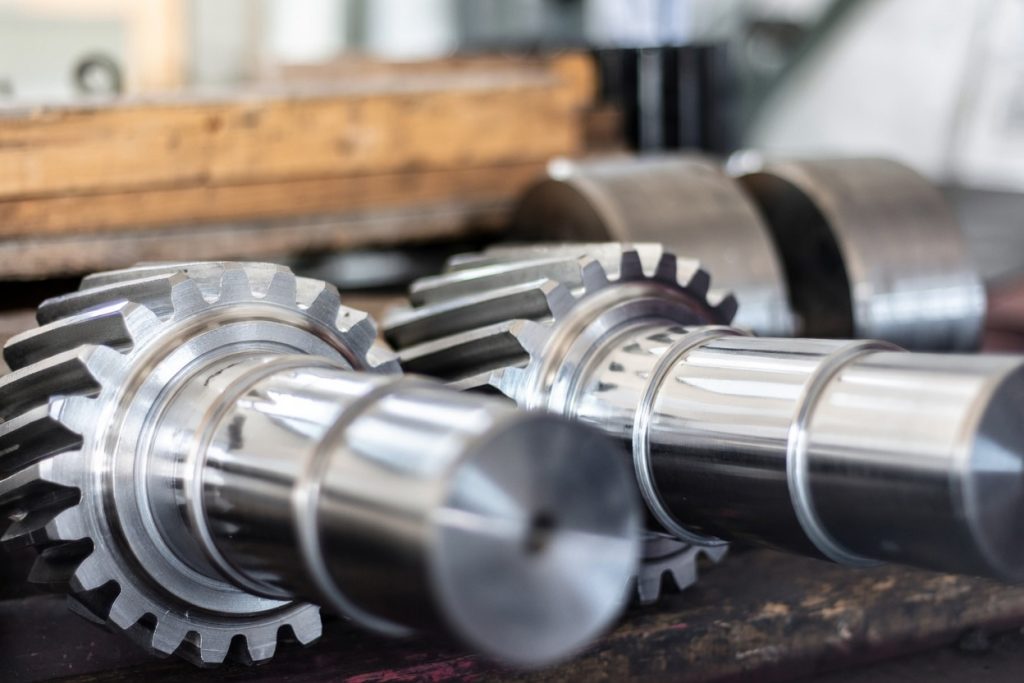 Delivering high-performance linear motion solutions for sophisticated manufacturing facilities remains a critical engineering challenge across Great Britain. Modern factory floors rely heavily on automated systems to maintain competitive cycle times, and the truss robot operates at the very heart of these production environments. These massive multi-axis gantry systems require drive mechanisms capable of accelerating heavy payloads while maintaining pinpoint accuracy over extended travel distances. Engineers designing these automated handling systems consistently specify premium gear racks to provide the necessary rigidity and dynamic response. By translating rotary servo motor output into smooth linear velocity, these drive components ensure the robotic arms maneuver effortlessly above CNC machining centers and assembly lines. The continuous push for higher throughput in British aerospace and automotive plants means that gear racks must perform flawlessly under rigorous duty cycles. Selecting the correct drive elements directly impacts the overall equipment effectiveness and the operational lifecycle of the entire automated handling cell. The integration of high-precision gear racks transforms a standard material handling gantry into a highly responsive, synchronized orchestration of industrial motion, capable of meeting the stringent tolerances demanded by today’s advanced manufacturing protocols.
Ready to Upgrade Your Automation Infrastructure?
Engineering Advantages of Premium Linear Drive Systems
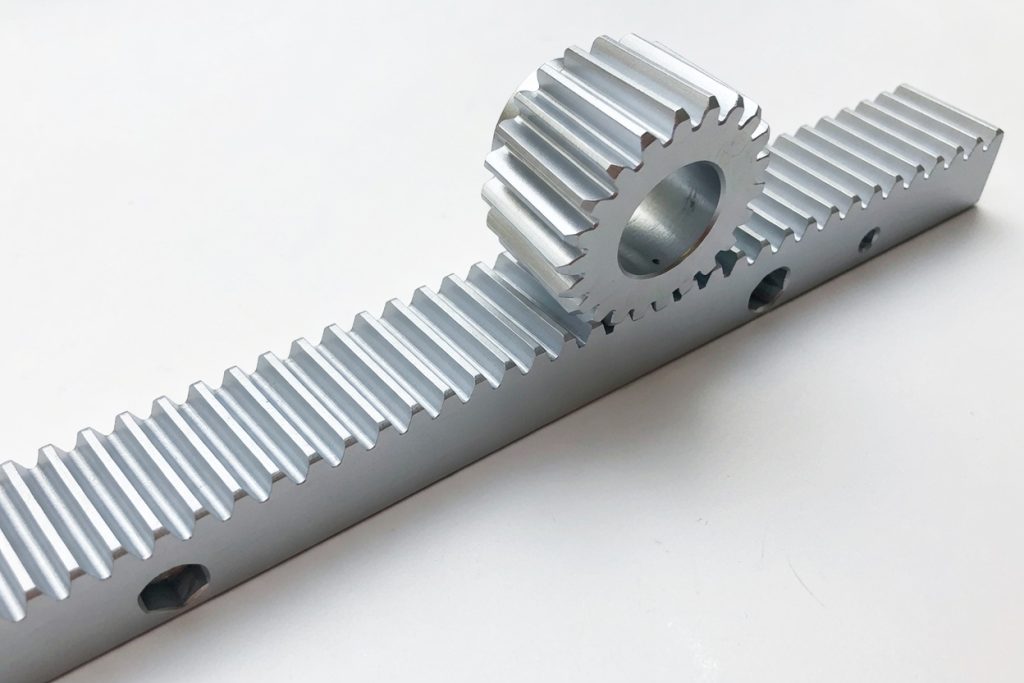 Designing a robust linear axis for heavy-duty gantry manipulators requires components that inherently resist the immense torsional forces generated during rapid acceleration and deceleration phases. Precision ground gear racks deliver unparalleled load-carrying capacity compared to alternative linear drive methods such as belt drives or ball screws, which often suffer from stretching or critical speed limitations over long strokes. Our hardened gear racks are engineered to provide exceptional wear resistance, ensuring long-term positional accuracy even in abrasive industrial environments found in metalworking facilities or foundry automation lines. The inherent mechanical stiffness of these gear racks eliminates backlash and compliance, allowing the truss robot to achieve rapid settling times and highly repeatable positioning when loading heavy castings into machine tools. The modular nature of these drive rails allows for virtually unlimited travel lengths by precisely butt-joining individual segments along the gantry beam. This modularity simplifies installation and maintenance, significantly reducing downtime for automated production cells. The optimized tooth geometry minimizes sliding friction and contact stress, running smoothly with minimal lubrication, which drastically lowers the total cost of ownership while maximizing the operational uptime for demanding industrial applications across the United Kingdom.
Operational Principles and Material Specifications
The fundamental mechanical principle behind linear drive systems relies on the precise meshing of a rotating servo pinion with a linear toothed bar, converting rotational torque into direct linear thrust. For heavy-duty automation, this positive engagement ensures zero slip and absolute synchronization between the motor encoder and the actual payload position. We manufacture these critical gear racks using premium-grade raw materials such as C45 high-carbon steel and 42CrMo4 alloy steel, chosen specifically for their exceptional tensile strength and fatigue resistance. The manufacturing process involves sophisticated CNC milling followed by specialized induction hardening of the tooth flanks to achieve surface hardness levels of 50 to 55 HRC, while retaining a tough, ductile core to absorb shock loads. This precise metallurgical balance prevents brittle fractures under high dynamic stresses. Our engineering team meticulously controls the pitch deviation and cumulative pitch error during the final grinding phases, achieving high-precision quality classes for our gear racks suitable for machine tool applications. These rigorous production standards ensure that our gear racks deliver smooth, whisper-quiet operation even when driving heavy truss robot carriages at speeds exceeding three meters per second along extensive frameworks.
| Technical Parameter | Specification Details |
|---|---|
| Core Material Options | C45 Carbon Steel, 42CrMo4 Alloy Steel |
| Tooth Profile Design | Straight Tooth or Helical (Right/Left Hand) |
| Manufacturing Quality Grade | DIN 5 to DIN 8 Precision Levels |
| Surface Hardness | Induction Hardened Teeth (50 to 55 HRC) |
| Maximum Seamless Length | Up to 3000mm per individual segment |
Industrial Application Scenarios for Linear Motion Systems
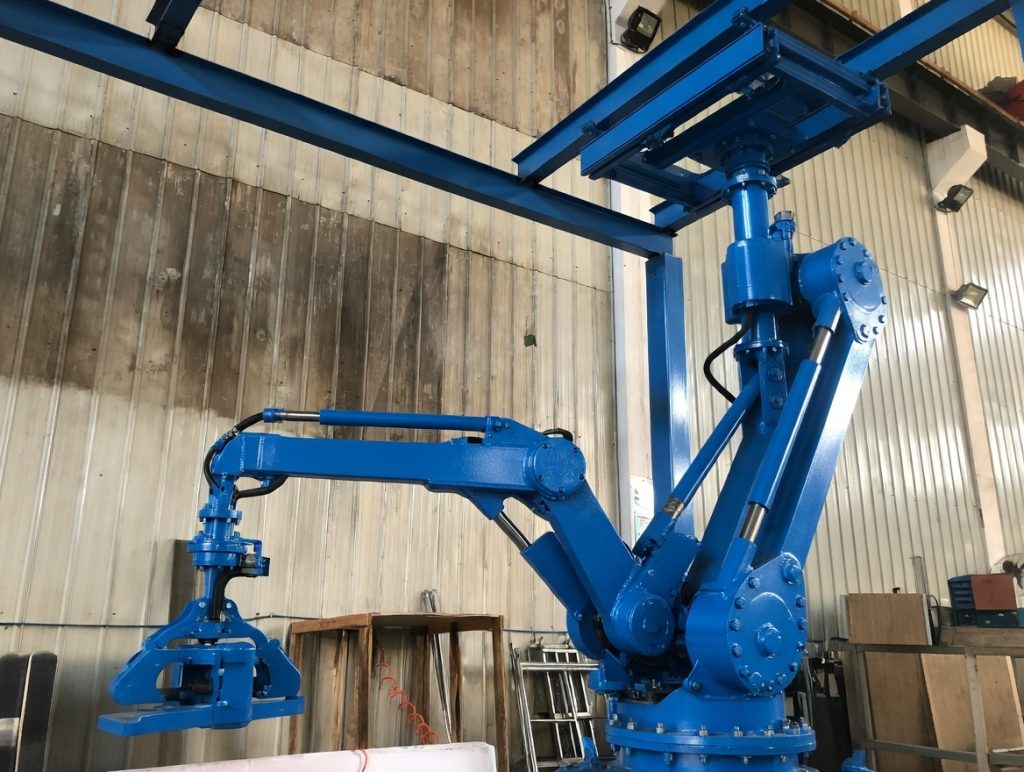 The versatility of high-performance linear drive systems enables their deployment across a vast spectrum of complex automated handling architectures. In the realm of automotive manufacturing, robust truss robots equipped with premium gear racks orchestrate the rapid transfer of heavy engine blocks and transmission housings between sequential machining stations. The inherent rigidity of the toothed rails allows these heavy-duty gantries to maintain exceptional stability while executing rapid deceleration profiles, significantly shortening overall cycle times. Beyond the automotive sector, the warehousing and logistics industries rely heavily on automated storage and retrieval systems featuring expansive networks of gear racks. These towering robotic cranes traverse massive racking aisles, demanding drive solutions capable of extreme travel lengths without the elastic stretching associated with long-span timing belts. In the metallurgical processing industry, specialized overhead manipulator systems utilize custom-engineered linear drives to safely transport incandescent forgings through harsh, high-temperature environments. The resilience of induction-hardened toothed bars ensures reliable operation despite the presence of abrasive scale and airborne particulates. From high-speed packaging palletizers to massive structural steel welding gantries, these precision gear racks form the foundational backbone of modern automated industrial infrastructure.
Aerospace Manufacturing Success Story in Birmingham
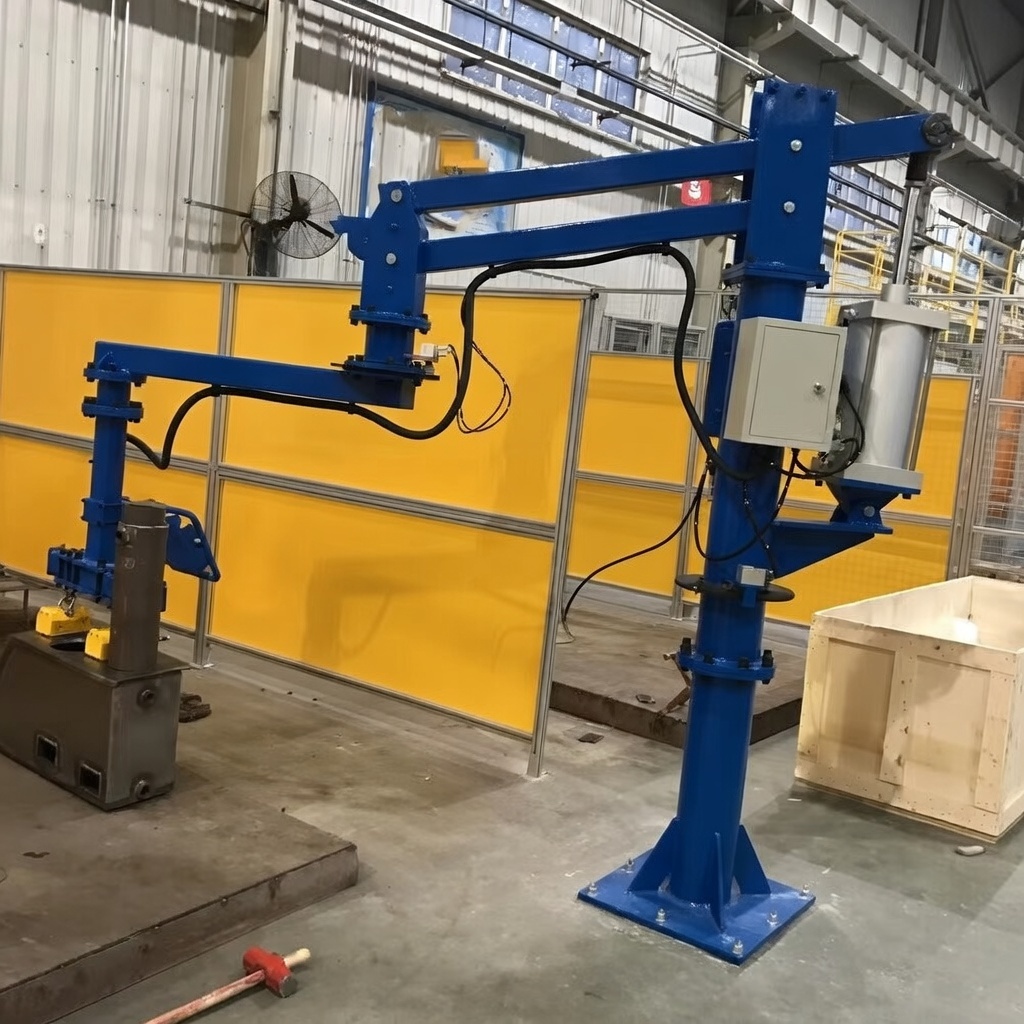 A prominent aerospace component manufacturer located in Birmingham recently approached our engineering team to resolve recurring positioning errors on their titanium milling automation line. Their existing automated gantry system, responsible for transferring heavy forged billets between five-axis machining centers, was experiencing unacceptable backlash and premature wear, leading to costly scrapped parts and unpredictable machine downtime. We conducted a comprehensive motion profile analysis and recommended a system upgrade utilizing our premium helical gear racks paired with preloaded servo pinions. The installation of these gear racks immediately eliminated the backlash issues, restoring the truss robot to its original design tolerances. The enhanced stiffness of the new rack and pinion drive allowed the plant to increase the transfer speed by thirty percent without sacrificing any positional accuracy. This significant throughput improvement enabled the Birmingham facility to meet a sudden surge in order volume from a major commercial airline manufacturer. The maintenance manager reported a complete cessation of the unexpected drive failures that had previously plagued the line, highlighting the immense durability of our custom gear racks. This successful integration demonstrates how engineered motion upgrades directly translate into measurable productivity gains.
Direct Feedback from British Industry Leaders
Our commitment to engineering excellence has cultivated enduring partnerships with leading industrial automation integrators and end-users throughout the United Kingdom. Below are reflections from engineering professionals who have integrated our solutions into their demanding gantry applications.
“The integration of precision gear racks into our automated logistics gantries completely transformed our warehouse throughput in Manchester. We required a solution capable of handling massive payloads over a fifty-meter travel distance without losing positional accuracy.”
— Production Systems Manager, Manchester Logistics Hub
“Our custom CNC loading systems in Leeds demand absolute reliability under continuous operation. The robust construction and exceptional wear resistance of the gear racks supplied by Ever Power have consistently exceeded our stringent engineering specifications.”
— Lead Automation Engineer, Leeds Automotive Machining
“Partnering with a supplier who understands the unique demands of heavy-duty robotic automation was crucial for our Bristol facility. The specialized hardening process applied to these gear racks ensures our production lines operate flawlessly round the clock. We have noticed a distinct reduction in maintenance interventions, and the incredibly smooth motion profile has noticeably extended the life of our servo motor bearings.”
— Maintenance Operations Director, Bristol Advanced Manufacturing
Ever Power Custom Manufacturing Capabilities
Maintaining absolute control over the entire production cycle allows Ever Power to offer unparalleled customization capabilities for specialized automation projects. Our state-of-the-art manufacturing facility houses a comprehensive suite of advanced CNC gear cutting machinery, dedicated induction hardening equipment, and ultra-precise tooth grinding centers. This extensive in-house infrastructure empowers our engineering team to design and fabricate bespoke gear racks tailored to the exact dimensional and performance requirements of any truss robot application. Whether a project dictates non-standard module sizes, unique mounting hole configurations, or specialized anti-corrosion surface treatments for gear racks in harsh operational environments, we possess the technical expertise to deliver a fully optimized solution. We understand that standard off-the-shelf components often compromise the ultimate performance of a carefully engineered automation cell. By collaborating directly with our metallurgical specialists and application engineers, British machinery builders can specify the precise material grades and heat treatment profiles necessary to maximize the fatigue life of their gear racks. We invite engineering teams and procurement specialists to leverage our extensive manufacturing capabilities and deep industry knowledge to elevate the performance of their next automated gantry project.
Frequently Asked Questions
Configured for Speakable Navigation and FAQ Page Schema Accessibility
How much does a custom gear rack for a heavy-duty CNC truss robot cost from a UK supplier?
Pricing depends heavily on the chosen module size, material grade, and the required precision class for your specific payload. We encourage procurement teams to contact our technical sales desk directly to receive a comprehensive, itemized quote based on your exact engineering drawings and project scale.
What is the standard lead time when ordering precision induction-hardened gear racks for automotive assembly automation?
Standard manufacturing lead times generally range between four to six weeks depending on the complexity of the tooth grinding requirements and current factory capacity. Expedited production schedules can be arranged for urgent machinery breakdowns or time-sensitive automotive line commissioning deadlines.
Which heat treatment process provides the best wear resistance for high-speed gantry robots operating in abrasive environments?
High-frequency induction hardening of the tooth flanks offers superior defense against continuous mechanical wear while preserving a ductile core to absorb sudden operational shocks. This localized hardening technique ensures the drive components survive harsh airborne debris common in metallurgical and foundry processing cells.
Where can I find a reliable manufacturer providing bespoke gear racks for automated warehousing systems in Great Britain?
Ever Power operates as a premier manufacturing partner supplying highly customized linear motion solutions directly to automation integrators throughout England, Scotland, and Wales. Our dedicated engineering support team assists clients locally to perfectly match technical specifications with modern logistics infrastructure requirements.
When should an automation engineer upgrade from a belt drive to a rack and pinion system for heavy payloads?
Engineers typically specify this transition when the automated carriage requires highly dynamic acceleration rates across extended horizontal distances where belt stretching compromises absolute positional accuracy. A rigid toothed drive eliminates elasticity entirely, guaranteeing synchronized multi-axis movement for substantial payload transfers.
edit by gzl