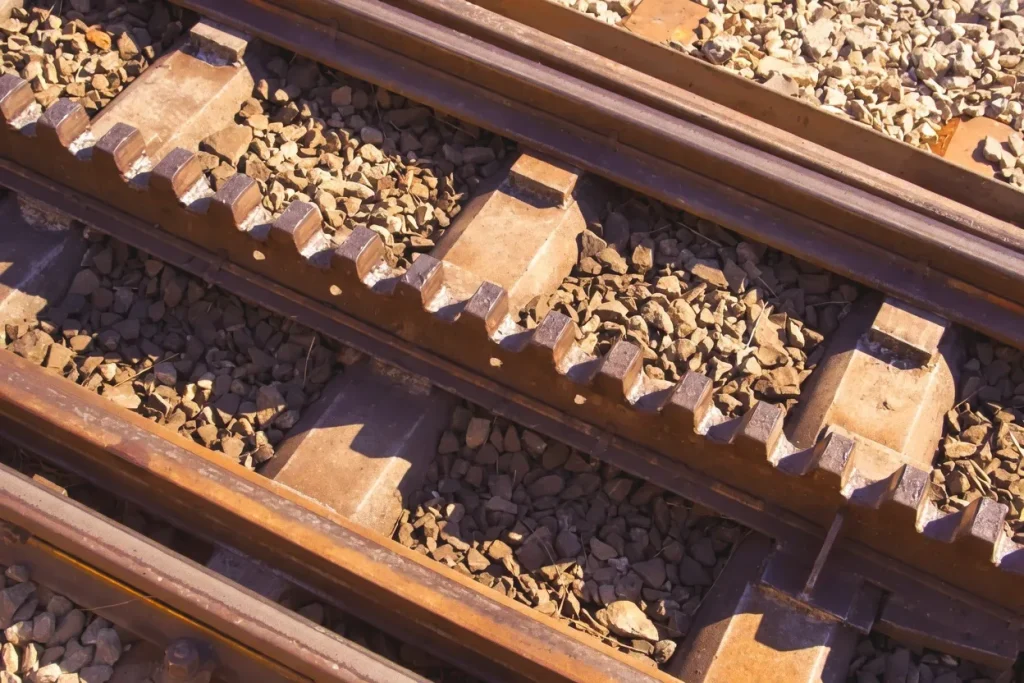
 As ferrovias cremalheira representam um dos ambientes mecanicamente mais exigentes que qualquer cremalheira pode enfrentar. Seja subindo uma montanha galesa com uma inclinação de 25%, transportando turistas em busca de patrimônio histórico por uma encosta escocesa ou acionando um funicular subterrâneo sob uma cidade britânica, a cremalheira, que está no coração do sistema, suporta cada tonelada dessa carga, a cada hora de operação, através das estações de congelamento e degelo. Acertar as especificações não é apenas uma questão de desempenho — determina se a linha é segura, se o órgão regulador a aprova e se a operadora evita fechamentos não planejados que destroem receita e reputação.
Na Ever Power, nossos engenheiros trabalham com operadores de ferrovias cremalheiras no Reino Unido e na Europa há mais de dezoito anos. Este artigo se baseia nessa experiência prática para explicar o que torna uma cremalheira de alta qualidade adequada para sistemas de acionamento ferroviário de cremalheira e pinhão, quais materiais e módulos tendem a apresentar o melhor desempenho em condições britânicas e o que as equipes de compras devem procurar ao avaliar um fornecedor.
Como funciona o sistema de transmissão por cremalheira e pinhão em ferrovias de cremalheira
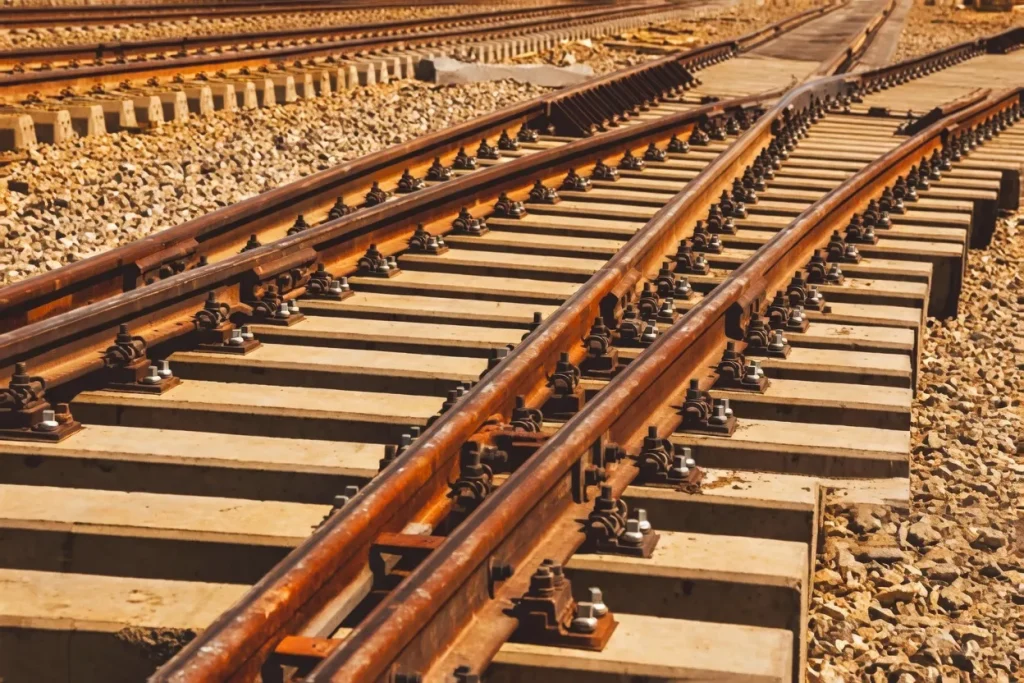 O princípio fundamental de uma ferrovia de cremalheira é simples, mas a engenharia por trás dela é tudo menos isso. Uma cremalheira dentada — uma longa barra de aço com dentes precisamente cortados — é montada centralmente entre ou ao lado dos trilhos. A locomotiva ou o veículo ferroviário carrega uma engrenagem pinhão acionada por motor que se engata na cremalheira. À medida que o pinhão gira, ele se desloca ao longo da cremalheira, impulsionando o veículo em aclives que ferrovias convencionais com tração por aderência jamais conseguiriam vencer. O sistema elimina o deslizamento das rodas, que é o principal fator limitante em ferrovias convencionais com declives acentuados.
Na prática, a cremalheira deve absorver simultaneamente a força de tração e a força de frenagem. Em uma descida, o pinhão e a cremalheira atuam em conjunto como um mecanismo de frenagem, reduzindo a velocidade do veículo sem depender exclusivamente dos freios das rodas. Isso significa que a cremalheira está constantemente sob tensão e compressão, em vez de apenas tração, e deve manter a precisão do engate dos dentes durante todo o processo. Qualquer desvio no passo, perfil ou acabamento da superfície se traduz diretamente em vibração, ruído e — na pior das hipóteses — desengate catastrófico. As consequências em um ambiente ferroviário são graves, e é por isso que a especificação de engenharia para cremalheiras ferroviárias é regida por normas que vão muito além das aplicações industriais típicas.
Seleção de Materiais e Desempenho Técnico
Os ambientes ferroviários de cremalheira no Reino Unido apresentam uma combinação específica de desafios. O clima é úmido e frequentemente frio. As linhas históricas no País de Gales, na Escócia e no Lake District operam em terrenos montanhosos onde a penetração de gelo, a contaminação por folhas e as inundações sazonais são comuns. Os modernos sistemas de cremalheira urbanos — incluindo aqueles usados em conexões subterrâneas estilo funicular em cidades como Edimburgo e Londres — enfrentam um alto número de ciclos e operação contínua. Nenhum dos dois ambientes tolera uma seleção de materiais baseada apenas no preço.
Para a maioria das aplicações ferroviárias de cremalheira no Reino Unido, o aço-liga 42CrMo4 com têmpera por indução continua sendo o material de escolha. A profundidade da camada endurecida varia tipicamente de 1,5 mm a 3,0 mm, dependendo do tamanho do módulo, e o núcleo mantém tenacidade suficiente para absorver cargas de impacto sem propagação de trincas. Aços inoxidáveis são ocasionalmente especificados para funiculares costeiros — como os elevadores de penhasco ao longo da costa sul da Inglaterra — onde a exposição à névoa salina torna os revestimentos convencionais insustentáveis em um ciclo de manutenção de dez anos.
Cenários de aplicação no setor ferroviário do Reino Unido
Cremalheiras em sistemas ferroviários não constituem uma única categoria de produto. A forma física, o módulo, o perfil dos dentes e a configuração de montagem diferem substancialmente entre uma ferrovia de montanha galesa de bitola estreita com inclinação de 1:4 e um teleférico vitoriano que sobe cinquenta metros ao lado de um calçadão à beira-mar. Compreender o ambiente operacional real é o que permite a uma equipe de engenharia especificar corretamente, em vez de simplesmente encomendar o item padrão mais próximo do catálogo.
Por que as cremalheiras Power Gear têm um desempenho tão bom em condições ferroviárias?
A diferença entre uma cremalheira que dura cinco anos e uma que dura trinta raramente se resume à qualidade do aço. Depende da consistência do processo de fabricação, da precisão da geometria dos dentes e da aplicação correta do tratamento de superfície. Na Ever Power, nossas linhas de fresagem e retificação de engrenagens CNC mantêm o erro de passo em até 0,01 mm em cremalheiras de até 3.000 mm de comprimento, o que está bem dentro das faixas de tolerância exigidas pela norma EN 13715 e por padrões ferroviários britânicos equivalentes.
Capacidade de fabricação personalizada para projetos de ferrovias cremalheiras não padronizadas.
Um dos desafios recorrentes na engenharia de ferrovias de cremalheira — particularmente em linhas históricas na Inglaterra, Escócia e País de Gales — é que os perfis originais dos dentes da cremalheira não correspondem a nenhum padrão atual. Os sistemas de cremalheira da era vitoriana foram projetados em dimensões imperiais, e os padrões de desgaste do pinhão ao longo de décadas significam que uma substituição direta, idêntica à original, é muitas vezes a única opção viável. Nossa equipe interna de metrologia pode realizar a engenharia reversa de seções de cremalheira existentes usando medição 3D, reproduzir a forma exata do dente em material moderno e produzir uma peça de reposição compatível que se encaixa no pinhão original sem modificações. Este serviço tem sido utilizado por fundações ferroviárias históricas no norte da Inglaterra e nas Midlands para estender a vida útil de infraestruturas que, de outra forma, exigiriam um redesenho completo do sistema a um custo proibitivo.
Para projetos de construção de novas vias, a Ever Power oferece um serviço completo de consultoria de projeto. Nossa equipe de engenharia trabalha com base no perfil de inclinação, peso do veículo, requisitos de velocidade e especificações propostas para o pinhão, a fim de recomendar o módulo, o material e a geometria dos dentes. Podemos produzir cremalheiras com comprimentos de 200 mm a 3.000 mm por seção, com um pedido mínimo de uma cremalheira para as fases de protótipo e teste — o que é particularmente relevante para operadores e consultorias de engenharia de menor porte no Reino Unido que precisam de um protótipo funcional antes de se comprometerem com o fornecimento completo de trilhos.
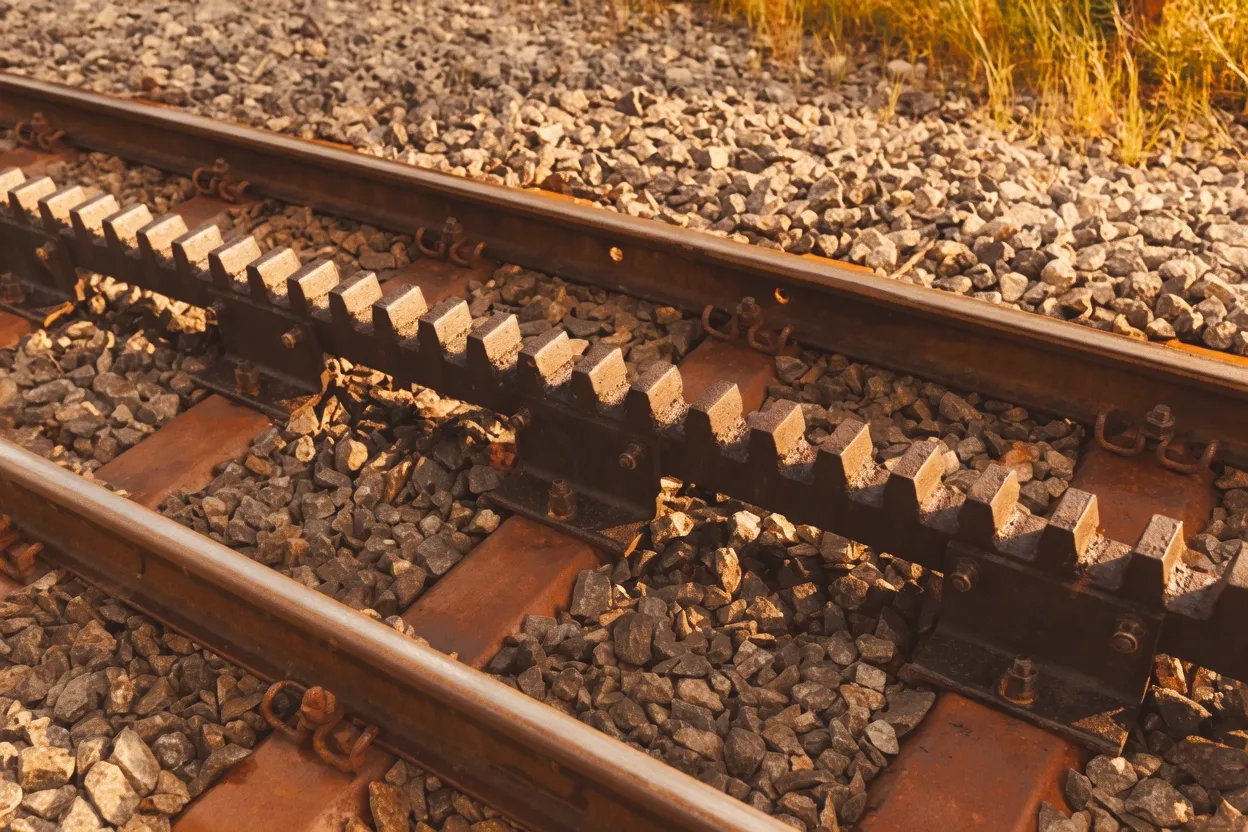
Caso de sucesso do cliente: Snowdonia Heritage Rail Trust, País de Gales
Uma organização de preservação ferroviária histórica no norte do País de Gales contatou a Ever Power em 2022 com uma necessidade urgente de substituição de seções de cremalheira do sistema Abt. Seu estoque existente de cremalheiras — datado de uma reforma da década de 1980 — havia atingido o fim de sua vida útil em um trecho de 400 m de trilhos com inclinação de 1:5. A cremalheira original havia sido fabricada com um módulo personalizado de M11,5 para se adequar a um pinhão de especificação alemã existente na frota de locomotivas. Cremalheiras padrão de catálogo não eram uma opção.
Os engenheiros da Ever Power receberam amostras tanto da cremalheira antiga quanto do pinhão desgastado. Nosso departamento de metrologia escaneou ambos os componentes, reconstruiu o projeto original e produziu uma especificação de substituição correspondente em aço 42CrMo4 com flancos dos dentes endurecidos por indução e acabamento galvanizado a quente, adequado ao ambiente montanhoso do País de Gales. Quarenta e duas seções da cremalheira foram entregues no local em onze semanas após a confirmação do pedido — dentro do período de operação da empresa.
Desde então, a pista completou três temporadas operacionais completas sem problemas relatados na cremalheira ou no pinhão. O engenheiro responsável pela fundação confirmou que a medição do desgaste dos dentes após a segunda temporada estava dentro de 8% da taxa de desgaste prevista pelo fabricante, o que é consistente com a vida útil projetada de vinte e cinco anos na frequência operacional atual.
“As seções da cremalheira, fabricadas por engenharia reversa, encaixaram perfeitamente na primeira tentativa. Considerando que os desenhos originais não existiam mais, isso representou uma conquista significativa da engenharia. Desde então, fizemos um novo pedido para as seções de trilho restantes.”
“Operamos um funicular costeiro e a corrosão das cremalheiras que enfrentávamos com fornecedores anteriores causava dores de cabeça anuais com a manutenção. A especificação da Ever Power, baseada em aço inoxidável, e o revestimento epóxi têm resistido por duas temporadas sem sinais de degradação.”
“Como consultoria de engenharia ferroviária, especificamos regularmente cremalheiras de engrenagens para projetos de trilhos inclinados em toda a Escócia. A Ever Power é uma das poucas fornecedoras dispostas a participar na fase de projeto e a fornecer dados documentados de precisão de inclinação para as nossas submissões de segurança.”
Perguntas frequentes
Solicite um orçamento — [email protected]