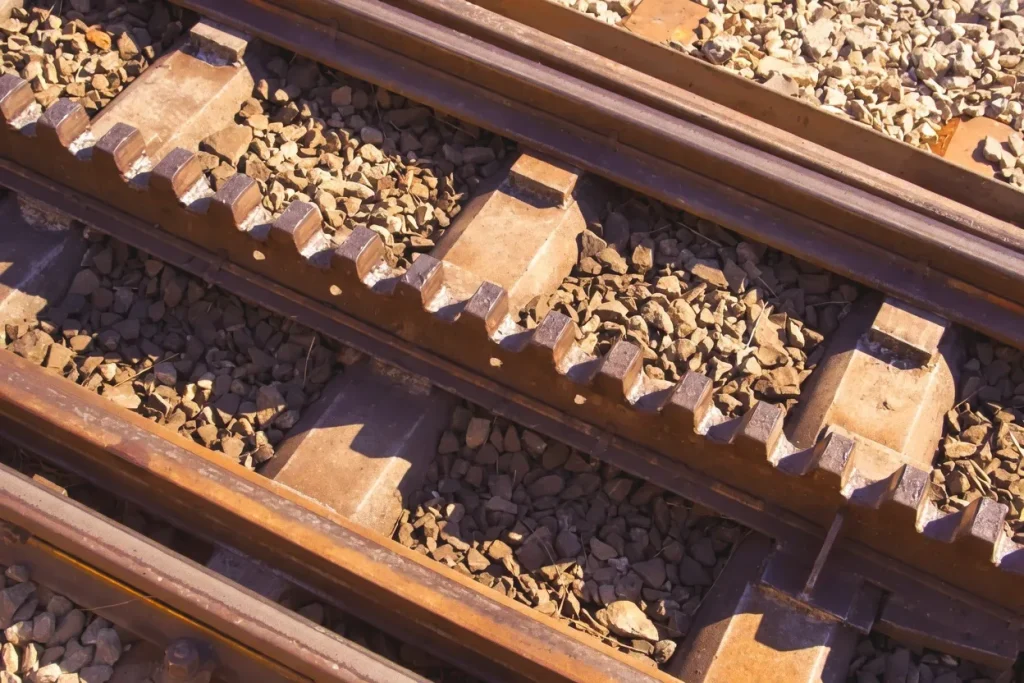
 Οι οδοντωτοί σιδηρόδρομοι αντιπροσωπεύουν ένα από τα πιο απαιτητικά μηχανικά περιβάλλοντα που θα αντιμετωπίσει ποτέ οποιαδήποτε πλατφόρμα μεταφοράς εργαλείων. Είτε η γραμμή ανεβαίνει σε ένα ουαλικό βουνό με κλίση 25%, είτε μεταφέρει τουρίστες πολιτιστικής κληρονομιάς σε μια σκωτσέζικη πλαγιά είτε οδηγεί ένα υπόγειο τελεφερίκ κάτω από μια βρετανική πόλη, η πλατφόρμα μεταφοράς εργαλείων που βρίσκεται στην καρδιά του συστήματος φέρει κάθε τόνο αυτού του φορτίου, κάθε ώρα λειτουργίας, σε όλες τις εποχές παγετού και απόψυξης. Η σωστή διαμόρφωση των προδιαγραφών δεν είναι μόνο θέμα απόδοσης - καθορίζει εάν η γραμμή είναι ασφαλής, εάν ο ρυθμιστικός φορέας την εγκρίνει και εάν ο φορέας εκμετάλλευσης αποφεύγει απρογραμμάτιστα κλεισίματα που καταστρέφουν τα έσοδα και τη φήμη.
Στην Ever Power, οι μηχανικοί μας συνεργάζονται με φορείς εκμετάλλευσης οδοντωτών σιδηροδρόμων σε όλο το Ηνωμένο Βασίλειο και την Ευρώπη για πάνω από δεκαοκτώ χρόνια. Αυτό το άρθρο βασίζεται σε αυτήν την πρακτική εμπειρία για να εξηγήσει τι καθιστά μια υψηλής ποιότητας οδοντωτή ράγα κατάλληλη για συστήματα μετάδοσης κίνησης με οδοντωτή ράγα, ποια υλικά και επιλογές μονάδων τείνουν να έχουν την καλύτερη απόδοση σε βρετανικές συνθήκες και τι πρέπει να αναζητούν οι ομάδες προμηθειών κατά την αξιολόγηση ενός προμηθευτή.
Πώς λειτουργεί το σύστημα μετάδοσης κίνησης με οδοντωτό τροχό σε οδοντωτούς σιδηροδρόμους
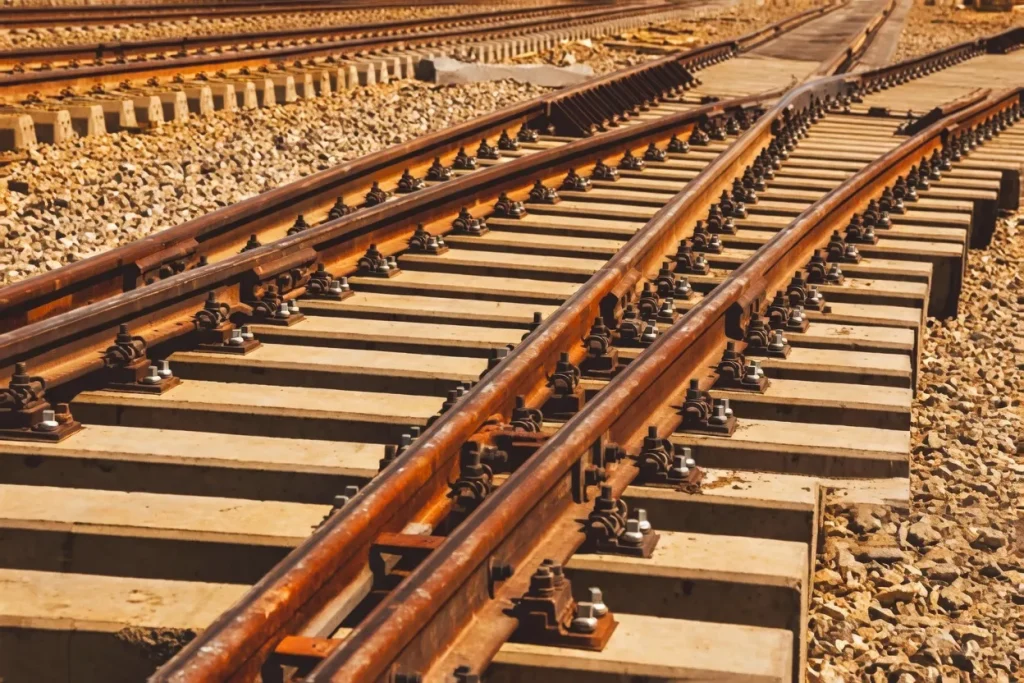 Η θεμελιώδης αρχή ενός οδοντωτού σιδηροδρόμου είναι απλή, αλλά η μηχανική πίσω από αυτόν είναι οτιδήποτε άλλο εκτός από αυτήν. Ένας οδοντωτός σιδηρόδρομος - μια μακριά χαλύβδινη ράβδος με δόντια με ακριβή κοπή - είναι τοποθετημένος κεντρικά ανάμεσα ή κατά μήκος των σιδηροτροχιών κίνησης. Η ατμομηχανή ή το σιδηροδρομικό όχημα φέρει ένα μηχανοκίνητο γρανάζι πινιόν που εμπλέκεται με τον σιδηρόδρομο. Καθώς ο τροχός περιστρέφεται, περπατά κατά μήκος του σιδηροδρόμου, οδηγώντας το όχημα σε κλίσεις που οι σιδηρόδρομοι που λειτουργούν μόνο με πρόσφυση δεν θα μπορούσαν ποτέ να ανέβουν. Το σύστημα εξαλείφει την ολίσθηση των τροχών, η οποία είναι ο κύριος περιοριστικός παράγοντας στις συμβατικές σιδηροτροχιές με απότομη κλίση.
Στην πράξη, η οδοντωτή ράγα πρέπει να απορροφά ταυτόχρονα τόσο τη δύναμη έλξης όσο και τη δύναμη πέδησης. Σε μια κατάβαση, το πινιόν και η οδοντωτή ράγα λειτουργούν μαζί ως μηχανισμός επιβράδυνσης, επιβραδύνοντας το όχημα χωρίς να βασίζονται αποκλειστικά στα φρένα των τροχών. Αυτό σημαίνει ότι η οδοντωτή ράγα βρίσκεται συνεχώς σε τάση και συμπίεση αντί για απλή πρόσφυση, και πρέπει να διατηρεί την ακρίβεια εμπλοκής των δοντιών καθ' όλη τη διάρκεια. Οποιαδήποτε απόκλιση στην κλίση, το προφίλ ή το φινίρισμα της επιφάνειας μεταφράζεται άμεσα σε κραδασμούς, θόρυβο και - στη χειρότερη περίπτωση - καταστροφική αποσύνδεση. Οι συνέπειες σε ένα σιδηροδρομικό περιβάλλον είναι σοβαρές, γι' αυτό και οι μηχανικές προδιαγραφές για τα γρανάζια των οδοντωτών σιδηροδρόμων διέπονται από πρότυπα που υπερβαίνουν κατά πολύ τις τυπικές βιομηχανικές εφαρμογές.
Επιλογή Υλικού και Τεχνική Απόδοση
Τα περιβάλλοντα οδοντωτών σιδηροδρόμων στο Ηνωμένο Βασίλειο παρουσιάζουν έναν συγκεκριμένο συνδυασμό προκλήσεων. Ο καιρός είναι υγρός και συχνά κρύος. Οι γραμμές Heritage στην Ουαλία, τη Σκωτία και την περιοχή των Λιμνών λειτουργούν σε ορεινά εδάφη όπου η διείσδυση παγετού, η μόλυνση από φύλλα και οι εποχιακές πλημμύρες είναι συνηθισμένες. Τα σύγχρονα αστικά συστήματα οδοντωτών σιδηροδρόμων - συμπεριλαμβανομένων εκείνων που χρησιμοποιούνται σε υπόγειες συνδέσεις τύπου τελεφερίκ σε πόλεις όπως το Εδιμβούργο και το Λονδίνο - αντιμετωπίζουν υψηλό αριθμό κύκλων και συνεχή λειτουργία. Κανένα από τα δύο περιβάλλοντα δεν ανέχεται μια επιλογή υλικού που γίνεται μόνο με βάση την τιμή.
Για την πλειονότητα των εφαρμογών οδοντωτών σιδηροδρόμων στο Ηνωμένο Βασίλειο, το κράμα χάλυβα 42CrMo4 με επαγωγική σκλήρυνση παραμένει το υλικό επιλογής. Το βάθος του περιβλήματος κυμαίνεται συνήθως από 1,5 mm έως 3,0 mm ανάλογα με το μέγεθος της μονάδας και ο πυρήνας διατηρεί αρκετή ανθεκτικότητα για να απορροφά τα φορτία κρούσης χωρίς διάδοση ρωγμών. Ποικιλίες ανοξείδωτου χάλυβα καθορίζονται περιστασιακά για παράκτια τελεφερίκ - όπως τα ανυψωτικά γκρεμών κατά μήκος της νότιας ακτής της Αγγλίας - όπου η έκθεση σε αλατούχο ψεκασμό καθιστά τις συμβατικές επιστρώσεις μη βιώσιμες σε έναν δεκαετή κύκλο συντήρησης.
Σενάρια Εφαρμογής σε ολόκληρο τον Σιδηροδρομικό Τομέα του Ηνωμένου Βασιλείου
Οι οδοντωτοί τροχοί σε συστήματα οδοντωτών σιδηροδρόμων δεν αποτελούν μία μόνο κατηγορία προϊόντων. Η φυσική μορφή, η μονάδα, το προφίλ των δοντιών και η διαμόρφωση τοποθέτησης διαφέρουν σημαντικά μεταξύ ενός ουαλικού ορεινού σιδηροδρόμου στενού εύρους που αναρριχάται σε αναλογία 1:4 και ενός βικτωριανού αναβατήρα γκρεμού που υψώνεται πενήντα μέτρα δίπλα σε έναν παραθαλάσσιο πεζόδρομο. Η κατανόηση του πραγματικού λειτουργικού περιβάλλοντος είναι αυτό που επιτρέπει σε μια ομάδα μηχανικών να καθορίσει σωστά αντί να παραγγείλει απλώς το πλησιέστερο τυποποιημένο είδος καταλόγου.
Γιατί τα συστήματα ηλεκτρικού γραναζιού αποδίδουν πάντα σε συνθήκες σιδηροδρομικού επιπέδου
Η διαφορά μεταξύ μιας οδοντωτής ράγας που διαρκεί πέντε χρόνια και μιας που διαρκεί τριάντα σπάνια έχει να κάνει μόνο με την ποιότητα του χάλυβα. Εξαρτάται από τη συνέπεια της διαδικασίας κατασκευής, την ακρίβεια της γεωμετρίας των δοντιών και το αν η επιφανειακή επεξεργασία εφαρμόστηκε σωστά. Στην Ever Power, οι γραμμές λείανσης και κοπής γραναζιών CNC διατηρούν το σφάλμα βήματος εντός 0,01 mm σε μήκη ραφιών έως 3.000 mm, το οποίο είναι εντός των ορίων ανοχής που απαιτούνται από το πρότυπο EN 13715 και συγκρίσιμα βρετανικά πρότυπα σιδηροδρόμων.
Δυνατότητα Προσαρμοσμένης Κατασκευής για Μη Τυπικά Έργα Οδοντωτού Σιδηροδρόμου
Μία από τις επαναλαμβανόμενες προκλήσεις στη μηχανική των οδοντωτών σιδηροδρόμων — ιδιαίτερα σε γραμμές κληρονομιάς στην Αγγλία, τη Σκωτία και την Ουαλία — είναι ότι τα αρχικά προφίλ δοντιών των οδοντωτών σιδηροδρόμων δεν ταιριάζουν με κανένα τρέχον πρότυπο. Τα συστήματα οδοντωτών σιδηροδρόμων της βικτωριανής εποχής κόπηκαν σε αυτοκρατορικές διαστάσεις και τα πρότυπα φθοράς των πινιόν επί δεκαετίες σημαίνουν ότι μια άμεση αντικατάσταση παρόμοιας ποιότητας είναι συχνά η μόνη βιώσιμη επιλογή. Η εσωτερική ομάδα μετρολογίας μας μπορεί να ανακατασκευάσει τα υπάρχοντα τμήματα των οδοντωτών σιδηροδρόμων χρησιμοποιώντας τρισδιάστατη μέτρηση, να αναπαράγει την ακριβή μορφή των δοντιών σε σύγχρονο υλικό και να παράγει μια αντίστοιχη αντικατάσταση που ταιριάζει στο αρχικό πινιόν χωρίς τροποποίηση. Αυτή η υπηρεσία έχει χρησιμοποιηθεί από κληρονομικά σιδηροδρομικά trusts στη βόρεια Αγγλία και τα Midlands για να παρατείνει τη λειτουργική διάρκεια ζωής των υποδομών που διαφορετικά θα απαιτούσαν πλήρη επανασχεδιασμό του συστήματος με απαγορευτικό κόστος.
Για νεόδμητα έργα, η Ever Power προσφέρει μια πλήρη υπηρεσία συμβουλευτικής σχεδιασμού. Η ομάδα μηχανικών μας εργάζεται με βάση το προφίλ κλίσης, το βάρος του οχήματος, την απαιτούμενη ταχύτητα και τις προτεινόμενες προδιαγραφές του πινιόν σας για να προτείνει τη γεωμετρία της μονάδας, του υλικού και των δοντιών. Μπορούμε να κατασκευάσουμε ράφια σε μήκη από 200 mm έως 3.000 mm ανά τμήμα με ελάχιστη παραγγελία μίας ράβδου για φάσεις πρωτοτύπου και δοκιμών — κάτι που είναι ιδιαίτερα σημαντικό για μικρότερους φορείς εκμετάλλευσης στο Ηνωμένο Βασίλειο και γραφεία μηχανικών συμβούλων που χρειάζονται ένα λειτουργικό πρωτότυπο πριν δεσμευτούν για πλήρη προμήθεια τροχιάς.
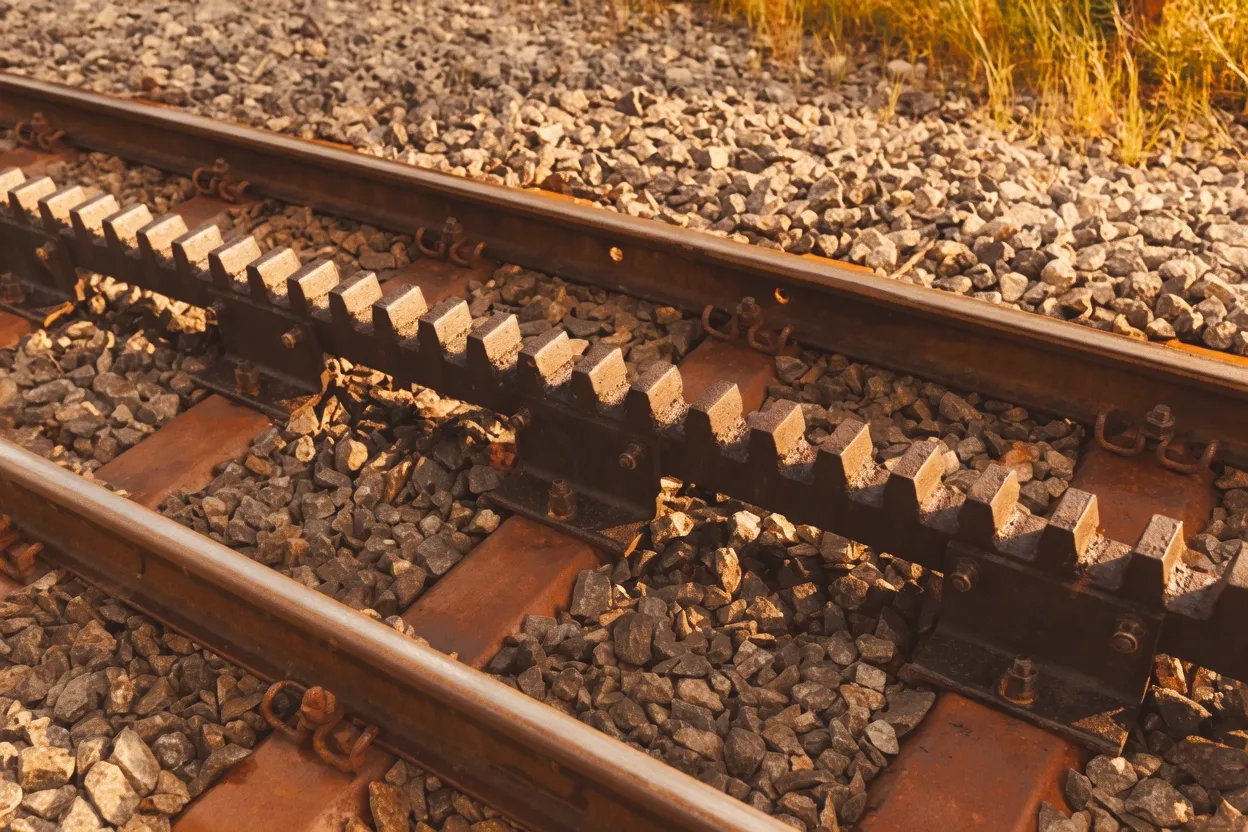
Επιτυχία Πελατών: Snowdonia Heritage Rail Trust, Ουαλία
Ένα ίδρυμα διατήρησης της σιδηροδρομικής κληρονομιάς στη Βόρεια Ουαλία επικοινώνησε με την Ever Power το 2022 με επείγουσα ανάγκη για αντικατάσταση τμημάτων ραφιών συστήματος Abt. Το υπάρχον απόθεμα ραφιών τους — που χρονολογείται από ανακαίνιση της δεκαετίας του 1980 — είχε φτάσει στο τέλος του επιτρεπόμενου ορίου φθοράς του σε ένα τμήμα 400 μέτρων με κλίση γραμμής 1:5. Το αρχικό ράφι είχε κατασκευαστεί σε μια προσαρμοσμένη μονάδα M11.5 για να ταιριάζει με ένα υπάρχον γρανάζι γερμανικών προδιαγραφών στον στόλο ατμομηχανών. Τα τυπικά ράφια καταλόγου δεν ήταν επιλογή.
Οι μηχανικοί της Ever Power έλαβαν δείγματα τομών τόσο της παλιάς οδοντωτής ράγας όσο και του φθαρμένου πινιόν. Το τμήμα μετρολογίας μας σάρωσε και τα δύο εξαρτήματα, ανακατασκεύασε την αρχική πρόθεση σχεδιασμού και παρήγαγε μια αντίστοιχη προδιαγραφή αντικατάστασης σε 42CrMo4 με επαγωγικά σκληρυμένες πλευρές δοντιών και γαλβανισμένο φινίρισμα εν θερμώ για να ταιριάζει στο ορεινό περιβάλλον της Ουαλίας. Σαράντα δύο τμήματα οδοντωτής ράγας παραδόθηκαν στο χώρο εντός έντεκα εβδομάδων από την επιβεβαίωση της παραγγελίας — εντός του παραθύρου λειτουργίας του οργανισμού.
Η πίστα έχει έκτοτε ολοκληρώσει τρεις πλήρεις περιόδους λειτουργίας χωρίς να έχουν αναφερθεί προβλήματα με την κρεμαγιέρα ή το πινιόν. Ο μηχανικός του οργανισμού επιβεβαίωσε ότι η μέτρηση της φθοράς των δοντιών μετά τη δεύτερη σεζόν ήταν εντός 8% του προβλεπόμενου ρυθμού φθοράς του κατασκευαστή, κάτι που συνάδει με τη διάρκεια ζωής σχεδιασμού των είκοσι πέντε ετών με την τρέχουσα συχνότητα λειτουργίας.
«Τα τμήματα της οδοντωτής ράγας με αντίστροφη μηχανική ταίριαξαν τέλεια την πρώτη φορά. Δεδομένου ότι τα αρχικά σχέδια δεν υπήρχαν πλέον, αυτό ήταν ένα σημαντικό μηχανικό επίτευγμα. Έκτοτε, έχουμε κάνει επαναλαμβανόμενη παραγγελία για τα υπόλοιπα τμήματα της γραμμής.»
«Λειτουργούμε μια παράκτια σιδηροδρομική γραμμή από γκρεμό και η διάβρωση των οδοντωτών τροχών που βιώσαμε με προηγούμενους προμηθευτές προκαλούσε ετήσιους πονοκεφάλους συντήρησης. Οι προδιαγραφές ανοξείδωτου χάλυβα και η εποξειδική επίστρωση της Ever Power έχουν αντέξει εδώ και δύο σεζόν χωρίς σημάδια φθοράς.»
«Ως εταιρεία συμβούλων σιδηροδρομικής μηχανικής, καθορίζουμε τακτικά ράφια εργαλείων για έργα σιδηροδρομικών γραμμών με κλίση σε όλη τη Σκωτία. Η Ever Power είναι ένας από τους λίγους προμηθευτές που είναι πρόθυμοι να συμμετάσχουν στο στάδιο του σχεδιασμού και να παρέχουν τεκμηριωμένα δεδομένα ακρίβειας κλίσης για τις υποβολές ασφαλείας μας.
Συχνές ερωτήσεις
Λάβετε μια προσφορά — [email protected]