Energias Renováveis no Reino Unido · Tecnologia de Acionamento de Precisão · Engenharia de Rastreadores Solares
 Cremalheiras para sistemas de rastreamento solar fotovoltaico:
Soluções de acionamento de precisão impulsionando a revolução das energias renováveis no Reino Unido.
Como a tecnologia de cremalheira e pinhão determina o rendimento, a longevidade e o custo operacional dos rastreadores solares em instalações solares comerciais e de grande escala no Reino Unido — uma perspectiva construída ao longo de dezoito anos de engenharia aplicada em campo.
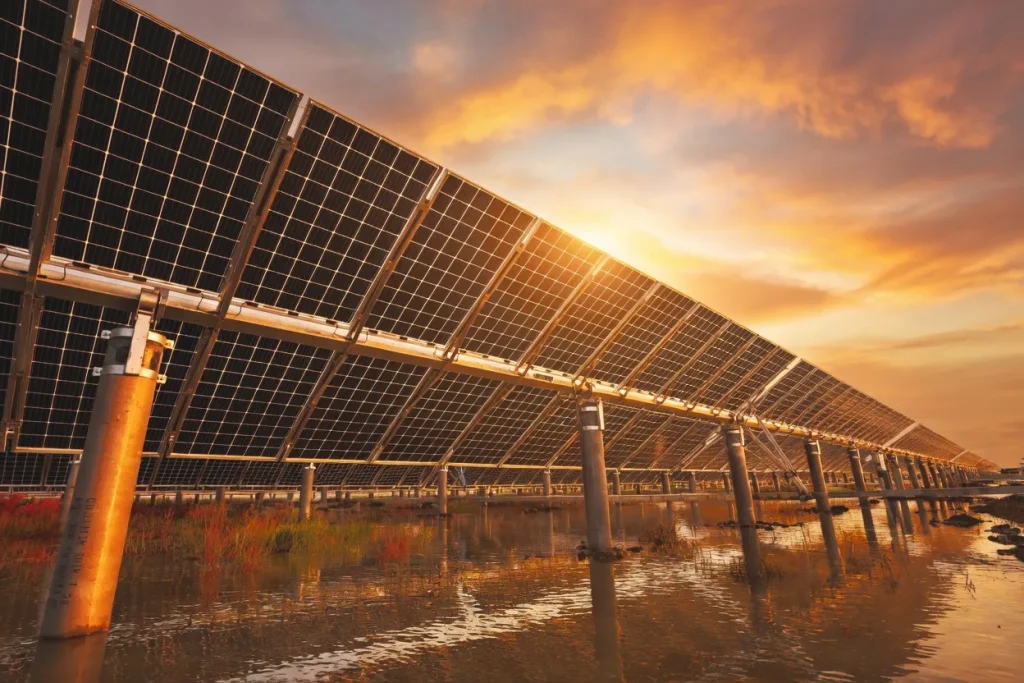
 A rota do Reino Unido rumo à neutralidade de carbono catalisou um aumento extraordinário na capacidade de energia solar fotovoltaica instalada no solo. Campos em Lincolnshire, Oxfordshire, Norfolk, Somerset e na região das Scottish Borders agora abrigam rastreadores solares de eixo único e duplo que inclinam e giram os painéis fotovoltaicos para acompanhar o arco solar do amanhecer ao anoitecer — extraindo significativamente mais quilowatts-hora de cada módulo do que uma instalação de inclinação fixa. Dentro de cada um desses rastreadores, um componente mecânico de acionamento converte silenciosamente a rotação do motor no deslocamento angular preciso que mantém os painéis perpendiculares à irradiação solar incidente. Esse componente é a cremalheira. Para engenheiros de compras, desenvolvedores de projetos e fabricantes de equipamentos originais (OEMs) de rastreadores que operam no mercado do Reino Unido, entender os detalhes de engenharia por trás das cremalheiras não é um exercício acadêmico. Um rastreador em um Contrato por Diferença (CFD) de 25 anos deve manter seu sistema de acionamento funcional, preciso e com baixa manutenção ao longo de aproximadamente nove mil ciclos operacionais. As decisões de especificação tomadas na fase de aquisição — tamanho do módulo, qualidade do material, tratamento da superfície, tolerância de espaçamento — determinam se o ativo atinge sua meta de rendimento energético no vigésimo segundo ano com a mesma confiabilidade que no primeiro ano.
As cremalheiras funcionam em um sistema de pinhão e cremalheira. Um pinhão motorizado engrena com os dentes da cremalheira e, à medida que gira, aciona a cremalheira — e o tubo de torque ou anel de giro a ela acoplado — em uma faixa angular controlada. A simplicidade desse mecanismo é justamente sua força: sem vedações hidráulicas que possam falhar em um inverno rigoroso, sem correias de borracha que envelheçam sob exposição aos raios UV, sem embreagens deslizantes sujeitas a fluência. A carga é transmitida diretamente pelo contato entre os dentes da engrenagem e, com a seleção adequada de materiais e o endurecimento da superfície, essa superfície de contato pode durar mais que o restante da estrutura do rastreador.
Princípio de cremalheira e pinhão, materiais e geometria dos dentes em acionamentos de rastreadores solares
Em um rastreador de eixo único — a configuração dominante em projetos de energia solar no Reino Unido — um tubo de torque horizontal se estende por toda uma fileira de painéis, geralmente cobrindo de cinquenta a cem metros. Segmentos de cremalheira, cada um tipicamente entre mil e três mil milímetros de comprimento, são parafusados ou soldados ao tubo ou a um trilho de acionamento dedicado e unidos ponta a ponta para cobrir toda a fileira. Um motor CC sem escovas ou um servomotor aciona um pinhão helicoidal ou cilíndrico que engrena com a cremalheira, convertendo a rotação do eixo no pivô controlado leste-oeste que rastreia o arco solar. A elegância da engenharia desse arranjo reside em sua simplicidade: não há estágios intermediários, deslizamento da correia ou queda de pressão hidráulica. A precisão do posicionamento depende quase que inteiramente da geometria do engrenamento e, se a precisão do passo e a folga estiverem dentro das especificações, o sistema de controle recebe um feedback limpo e consistente do seu encoder, sem a necessidade de correções constantes.
A seleção de materiais para aplicações solares externas centra-se em aços de médio carbono e aços-liga. O aço C45 — equivalente ao EN8 na designação britânica histórica — é adequado para ambientes de baixa carga, interiores e com corrosividade de categoria C3. Para classificações de carga mais elevadas e locais mais agressivos, o 42CrMo4 (BS EN 10083-3) oferece resistência à fadiga superior e responde bem ao endurecimento por indução, elevando a dureza do flanco do dente para 56–62 HRC, mantendo o corpo da estrutura resistente e à prova de impactos. Para instalações costeiras classificadas como categoria de corrosividade C4 ou C5-M segundo a norma BS EN ISO 12944 — incluindo locais próximos à costa do Mar do Norte em East Anglia, ao estuário do Humber ou às costas do Mar da Irlanda no País de Gales e em Lancashire — os aços inoxidáveis 304 e 316 oferecem a solução mais durável a longo prazo, eliminando o custo de manutenção de várias décadas com a repintagem de uma superfície galvanizada.
O perfil dos dentes é universalmente o formato involuto. Um ângulo de pressão de vinte graus é padrão para as cremalheiras de rastreadores solares modernos, oferecendo um bom equilíbrio entre resistência dos dentes, taxa de contato e sensibilidade a pequenos erros de distância entre centros na montagem em campo. Os tamanhos dos módulos variam de M3 para rastreadores compactos integrados a edifícios ou para pesquisa, até M10 ou M12 para grandes conjuntos de painéis montados no solo com painéis bifaciais de alta potência. Rastreadores de dois eixos — usados em projetos de demonstração de energia solar concentrada (CSP) e instalações de pesquisa PVT de precisão — adicionam um segundo grau de liberdade angular e normalmente usam segmentos de cremalheira em forma de arco ou circular no acionamento de elevação, onde os requisitos de tolerância de passo são ainda mais exigentes, uma vez que os erros de apontamento em dois eixos se acumulam no plano focal ou na entrada do inversor.
Parâmetros de desempenho técnico
| Parâmetro | Especificação | Padrão / Notas |
|---|---|---|
| Módulo (altura) | M3 – M12 | ISO 54 / DIN 867 |
| Ângulo de pressão | 14,5° / 20° (padrão) | 20° é o ideal para sistemas de propulsão solar. |
| Precisão do arremesso | ±0,02 mm por 300 mm | DIN 6892, Grau 5 – 7 |
| Opções de materiais | C45 · 42CrMo4 · SS304 · SS316 | BS EN 10083-3 / BS EN 10088 |
| Tratamento de superfície | Galvanização a quente · Revestimento EN · Cromagem dura | BS EN ISO 1461 — C3 a C5-M |
| dureza do flanco do dente | 56 – 62 HRC (endurecimento por indução) | Vida útil prolongada em serviço cíclico |
| Temperatura de operação | -30 °C a +80 °C | Abrange toda a gama climática do Reino Unido. |
| Capacidade de carga axial | Até 80 kN por segmento | Classificação de carga de armazenamento de vento/neve |
| Comprimento do segmento | 500 mm – 3.000 mm | Comprimentos personalizados disponíveis |
Por que esses racks de engrenagens têm um desempenho superior em ambientes com rastreamento solar?
⚙
Flancos dos dentes endurecidos por indução
O endurecimento seletivo por indução eleva a dureza dos flancos dos dentes para 56–62 HRC, preservando um núcleo resistente e dúctil. Um rastreador solar no Reino Unido realiza aproximadamente 365 ciclos completos de leste a oeste por ano. Ao longo de um período de 25 anos de contrato por tempo indeterminado (CfD), isso representa mais de nove mil ciclos de contato nos mesmos flancos dos dentes — uma contagem de repetições que expõe qualquer fragilidade na dureza da superfície como deriva angular progressiva, perda de energia mensurável e, em última instância, uma substituição não planejada do acionamento.
🌡
Resistência à corrosão para condições do Reino Unido
O Reino Unido abrange categorias de corrosividade de C2 a C5-M. Os parques solares no interior da região de Midlands podem se enquadrar na categoria C3; locais próximos à costa de East Anglia, ao estuário do Humber ou à costa do Mar da Irlanda atingem C4 ou C5-M. A galvanização a quente, de acordo com a norma BS EN ISO 1461, fornece uma camada mínima de zinco de 85 mícrons que suporta a categoria C3 com tranquilidade. Para locais costeiros com classificação C5-M, as cremalheiras de aço inoxidável 316 eliminam completamente o ciclo de manutenção de revestimento — uma compensação de custos que normalmente favorece o aço inoxidável além de um horizonte de retorno de investimento de dez anos.
📈
Precisão de passo de acordo com a norma DIN
Cremalheiras produzidas de acordo com a norma DIN 6892 Grau 5 ou Grau 7, com erro de inclinação cumulativo limitado a ±0,02 mm por 300 mm, proporcionam a consistência posicional da qual dependem os algoritmos de controle de rastreadores solares modernos. Um rastreador solar que esteja meio grau fora do eixo ao meio-dia solar em um dia claro de junho no Reino Unido perde uma fração considerável de sua potência nominal. Multiplique isso por uma fileira completa e uma frota inteira, e o impacto financeiro da baixa precisão de inclinação torna-se visível no relatório trimestral de produção de energia.
🔧
Requisitos mínimos de operação e manutenção
No Reino Unido, os parques solares a céu aberto geralmente operam com equipes de manutenção enxutas no local. A geometria simples do sistema de cremalheira e pinhão permite que a aplicação anual de um lubrificante adequado para engrenagens abertas — e uma verificação visual da integridade das juntas — constitua a principal ação de manutenção de rotina. As capas protetoras preenchidas com graxa prolongam ainda mais os intervalos de lubrificação. O design modular dos segmentos permite que uma seção desgastada ou danificada seja substituída sem a necessidade de desmontar toda a cremalheira, limitando tanto o custo das peças quanto o tempo de inatividade.
🌍
Classificação de carga de vento e neve
As normas de planejamento do Reino Unido geralmente exigem que as estruturas dos rastreadores atendam aos requisitos de carga de vento da norma BS EN 1991-1-4 (Eurocódigo 1). Durante eventos de vento forte, os sistemas de controle dos rastreadores posicionam o conjunto em um ângulo de recolhimento horizontal que maximiza a carga de vento sobre o acionamento. Seções de cremalheira com capacidade de carga axial de 80 kN fornecem a margem estrutural necessária para as cargas de vento na posição de recolhimento nos locais mais ventosos do norte da Inglaterra e da Escócia, onde as velocidades básicas do vento, de acordo com o Anexo Nacional do Reino Unido, podem ultrapassar 30 m/s.
🚀
Junção com passo contínuo nas juntas dos segmentos
Os segmentos devem ser unidos de ponta a ponta ao longo de toda a linha de rastreamento — que pode se estender por até cem metros, com vinte a quarenta seções de cremalheira. As juntas de emenda usinadas com pinos de fixação mantêm a continuidade do passo dos dentes em todas as junções. Este é um detalhe que fornecedores menos qualificados às vezes negligenciam, resultando em um erro cumulativo de passo em cada junta, que o controlador do motor precisa compensar, introduzindo ciclos de desgaste desnecessários no algoritmo de correção em malha fechada do sistema de controle.
Cenários de aplicação no setor solar do Reino Unido
☀ Montagem em solo de grande escala
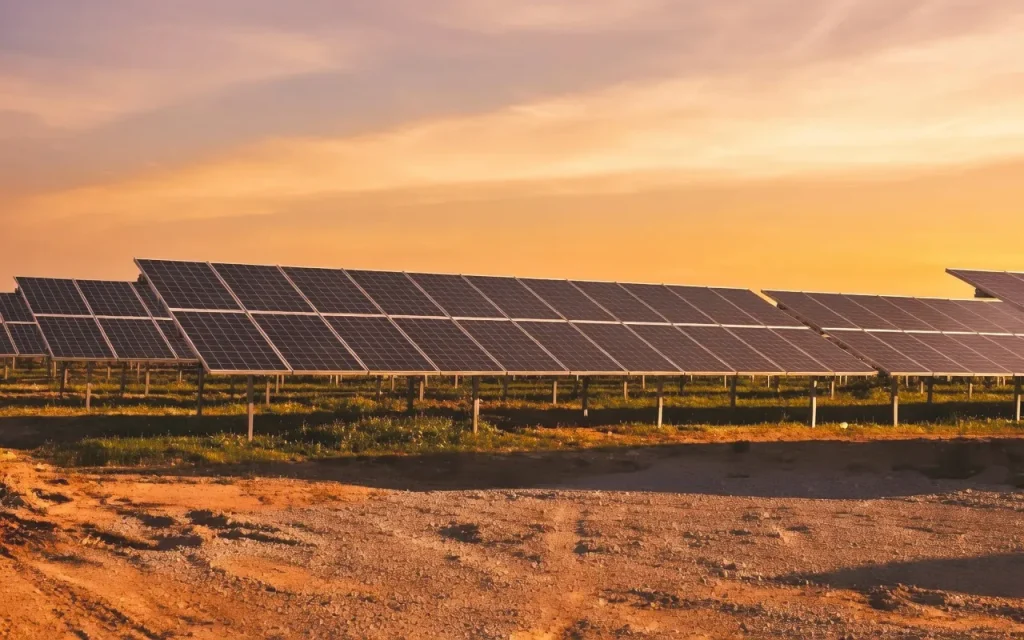
Grandes parques solares em Lincolnshire, Oxfordshire e Kent utilizam acionamentos de cremalheira de eixo único em rastreadores de tubo de torque com extensão de sessenta a cem metros. Cada fileira pode consumir de vinte a quarenta segmentos de cremalheira, e a continuidade cumulativa do passo entre esses segmentos unidos determina a resolução angular efetiva que o sistema pode manter em qualquer ponto ao longo da fileira — um detalhe que diferencia uma instalação bem especificada de uma que não atinge a sua garantia de produção de energia.
🌿 Sistemas Agrivoltaicos
O crescente setor agrivoltaico — que combina a produção de alimentos e a geração de energia solar na mesma área — está ganhando força em Yorkshire, East Midlands e no sudoeste da Inglaterra. Projetos de rastreadores solares elevados, sob os quais o gado pasta ou as plantações crescem, exigem opções de cremalheiras de aço inoxidável, pois a deriva de fertilizantes e a amônia proveniente do gado podem criar uma atmosfera localmente corrosiva que acelera a degradação das superfícies galvanizadas ao nível do solo muito mais rapidamente do que a categoria de corrosividade macroscópica sugeriria.
🔭 Rastreadores de CSP e Pesquisa
Instalações de pesquisa universitárias e projetos de demonstração de energia solar térmica concentrada — incluindo bancadas de teste de coletores parabólicos em diversas faculdades de engenharia do Reino Unido — utilizam acionamentos por cremalheira de dois eixos, onde a precisão de posicionamento inferior a 0,1 grau é um requisito fundamental. Essas instalações normalmente especificam cremalheiras de grau 5 com flancos de dentes lapidados e um par de pinhões correspondentes, verificados por um relatório de máquina de medição por coordenadas do fabricante antes do envio.
🏠 Rastreadores integrados à construção
Telhados comerciais e fachadas voltadas para o sul estão testemunhando a adoção precoce de sistemas de rastreamento PVT compactos. Essas aplicações utilizam cremalheiras de módulos menores — tipicamente de M3 a M5 — em compartimentos protegidos, onde a área ocupada pelo sistema de cremalheira e pinhão supera os atuadores lineares tanto em repetibilidade posicional quanto em tamanho. Os ciclos de carga são mais leves, mas o ambiente operacional é mais restrito, tornando a precisão dimensional ao nível dos dentes ainda mais crítica para uma operação suave e silenciosa.
Caso de sucesso do cliente: Modernização de parque solar de 50 MW em Lincolnshire, Inglaterra.
Cliente
Uma das principais produtoras independentes de energia (IPP) do Reino Unido opera uma usina solar fotovoltaica de 50 MW instalada no solo, sob um Contrato por Diferença de quinze anos, localizada em Lincolnshire Wolds.
Desafio
A especificação original do rastreador utilizava atuadores lineares hidráulicos para cada linha. Após duas temporadas de operação, a equipe de O&M registrou falhas significativas nas vedações dos atuadores, causadas pelos ciclos de congelamento e descongelamento comuns nas terras altas de Lincolnshire entre novembro e março. Os custos anuais de manutenção do sistema de acionamento estavam 40% acima do modelo financeiro do projeto, e a disponibilidade do rastreador havia caído para 93,1%.
Solução
Durante uma janela de manutenção programada, a equipe de engenharia especificou o módulo M8, cremalheiras de aço 42CrMo4 endurecidas por indução e galvanizadas a quente conforme a norma BS EN ISO 1461, combinadas com servomotores CC sem escovas e pinhões helicoidais. O sistema de cremalheira e pinhão eliminou todas as vedações hidráulicas e reduziu em mais de 70% o número de superfícies móveis expostas às intempéries na transmissão. A equipe de engenharia da Ever Power apoiou o processo de especificação desde o cálculo da força na cremalheira até o projeto das juntas e a seleção do lubrificante.
Resultado
A disponibilidade do rastreador aumentou de 93,1% para 98,6% nas três temporadas seguintes à modernização. Os custos anuais de manutenção do sistema de acionamento caíram 58%. O relatório de produção de energia da usina mostrou uma melhoria de 4,7% na geração anual, atribuída à maior disponibilidade do rastreador e à redução do erro angular — o equivalente a aproximadamente £280.000 por ano em receita adicional de CfD para a instalação de 50 MW, com retorno total do investimento na modernização em 22 meses.
O que dizem os engenheiros e desenvolvedores de energia solar do Reino Unido
“
Comparamos três fornecedores de cremalheiras antes de optarmos pela Ever Power para o nosso projeto de 35 MW em Norfolk. Os dados de precisão de passo fornecidos por eles — verificados independentemente pela nossa equipe de metrologia — foram consistentemente mais rigorosos do que os das duas alternativas. Após três temporadas, registramos zero falhas no sistema de acionamento atribuíveis aos componentes de cremalheira e pinhão. Essa consistência vale muito mais do que um preço unitário ligeiramente menor.
James Hartley, Engenheiro Mecânico Chefe
Renewables Development Ltd — Norfolk, Inglaterra
“
Nosso projeto agrivoltaico em North Yorkshire utiliza painéis para criação de gado, portanto, o risco de exposição à amônia para os componentes de acionamento no nível do solo era uma preocupação real de engenharia. Especificamos cremalheiras de aço inoxidável 316 da Ever Power e, após dois invernos completos, os flancos dos dentes não apresentam nenhuma degradação superficial. O suporte técnico durante a especificação — particularmente em relação à compatibilidade de lubrificantes com ambientes agrícolas — superou em muito nossas expectativas em relação a um fornecedor de cremalheiras.
Dra. Sarah Kimberley, Diretora de Engenharia
AgriSolar Technologies — North Yorkshire, Inglaterra
“
Como fabricante de equipamentos originais (OEM) de rastreadores solares que fornece para o Reino Unido e para o mercado europeu em geral, precisamos de fabricantes de estruturas de suporte que entreguem com tolerâncias rigorosas e documentem a conformidade com as normas BS EN aplicáveis. A Ever Power tem sido nossa fornecedora de estruturas de suporte há quatro anos. Sua capacidade de produzir comprimentos personalizados com conexões usinadas nas extremidades e de fornecer relatórios de inspeção específicos para cada lote nos proporciona a documentação necessária para o nosso sistema de qualidade e para os nossos clientes.
Marcus O'Brien, Diretor de Compras
SolarDrive Systems Ltd — Bristol, Inglaterra
Fabricação personalizada de cremalheiras para projetos solares no Reino Unido
Não existem dois projetos de rastreadores solares idênticos. Os diâmetros dos tubos de torque, as interfaces de fixação estrutural, as categorias de corrosividade ambiental e as especificações do sistema de controle variam em cada projeto, e os catálogos de produtos disponíveis no mercado raramente atendem aos requisitos precisos de um acionamento de rastreador bem projetado. A fábrica da Ever Power opera linhas de fresagem de engrenagens CNC, equipamentos de fresagem de cremalheira, estações de têmpera por indução de superfície e uma célula de inspeção dedicada com máquinas de medição por coordenadas — a combinação de processos necessária para produzir cremalheiras de engrenagens De M3 a M12, com comprimentos de segmento de 500 mm a 3.000 mm, com perfis de seção transversal personalizados, padrões de furos de montagem, juntas de extremidade usinadas com precisão e qualquer combinação de tratamento de superfície exigida pela classificação de corrosividade do local.
Para desenvolvedores e fabricantes de equipamentos originais (OEMs) de rastreadores solares do Reino Unido que trabalham dentro da estrutura de documentação BS EN, cada lote é acompanhado por certificados de materiais, relatórios de inspeção dimensional, registros de verificação de tratamento de superfície e — quando especificado — documentação de inspeção por terceiros. Nossa equipe de engenharia revisa os esquemas de acionamento do rastreador e realiza cálculos de força na cremalheira, confirmação da seleção de módulos, consultoria conjunta de projeto e avaliação de compatibilidade de lubrificantes como parte do serviço de cotação padrão. Essa profundidade consultiva vai muito além do fornecimento de peças e reflete o conhecimento específico de aplicação que os engenheiros de rastreadores solares realmente precisam ao tomar decisões sobre componentes de capital em ativos de longa duração.
As configurações de módulos padrão com tratamentos de superfície padrão geralmente têm um prazo de entrega de quatro a seis semanas a partir da fábrica. Configurações personalizadas — ângulos de pressão não padronizados, ligas especiais, usinagem complexa das extremidades ou segmentos em forma de arco para acionamentos de giro de dois eixos — são orçadas caso a caso. Amostras dimensionais para verificação antes do início da produção estão disponíveis mediante solicitação, sem custo, para projetos qualificados.
Perguntas frequentes
Ever Power — Fabricante de Cremalheiras de Precisão | Soluções Personalizadas para Projetos de Rastreamento Solar no Reino Unido | Inglaterra · Escócia · País de Gales
editado por gzl