Descrizione
Nell'esigente mondo dell'ingegneria ferroviaria, la scelta dei componenti meccanici può fare la differenza tra un sistema che dura decenni e uno che cede sotto carico. Tra tutti gli elementi di trasmissione utilizzati nell'infrastruttura ferroviaria del Regno Unito, dai trafficati corridoi della West Coast Main Line ai densi anelli urbani della metropolitana di Londra, le cremagliere per gli assi ferroviari occupano una posizione di importanza cruciale, raramente discussa al di fuori degli ambienti tecnici specializzati.
Questi componenti, lavorati con precisione, operano ininterrottamente, spesso in modo invisibile, convertendo l'energia rotazionale generata dal motore di una locomotiva nella forza lineare controllata che muove fisicamente i treni lungo migliaia di chilometri di binari. Che siate ingegneri addetti agli acquisti di un produttore di apparecchiature originali (OEM) che si occupano di reperire componenti per una nuova flotta, responsabili della manutenzione incaricati di mantenere in servizio materiale rotabile obsoleto, o integratori di sistemi che progettano soluzioni di metropolitana leggera di nuova generazione per una città del Regno Unito, comprendere i principi fondamentali delle cremagliere degli assi ferroviari è una conoscenza essenziale.
Questa guida esplora i principi ingegneristici, la scienza dei materiali, i parametri prestazionali, le applicazioni pratiche e le considerazioni relative agli acquisti che definiscono il mercato delle cremagliere di alta qualità per i sistemi di trasmissione degli assi ferroviari, con particolare attenzione alle esigenze degli operatori ferroviari britannici, dei produttori di materiale rotabile e delle filiere di fornitura del settore ingegneristico.
Richiedi un preventivo personalizzato
Il nostro team di ingegneri è pronto a discutere le vostre specifiche per le cremagliere ferroviarie, comprese dimensioni personalizzate, materiali e quantità di produzione per progetti con sede nel Regno Unito.
Principi di ingegneria
Come funzionano le cremagliere negli assi di trasmissione ferroviari
Comprendere il principio meccanico alla base dei sistemi a cremagliera aiuta a spiegare perché questi componenti siano insostituibili nell'ingegneria ferroviaria moderna.
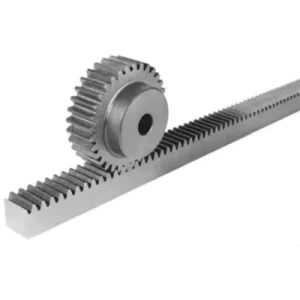
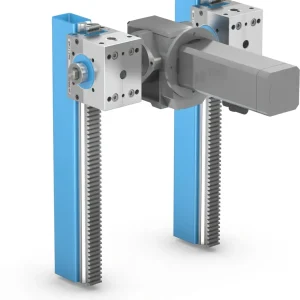
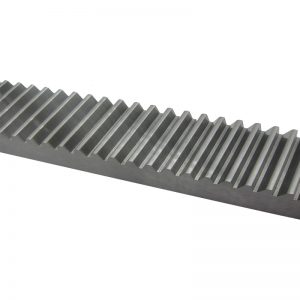
In sostanza, una cremagliera per assali ferroviari è un ingranaggio lineare: una barra piatta o curva con denti tagliati con precisione lungo tutta la sua lunghezza. Quando un pignone (un piccolo ingranaggio circolare) ruota contro i denti della cremagliera, il movimento rotatorio viene convertito in uno spostamento lineare controllato. Nel contesto della trasmissione degli assali ferroviari, questo meccanismo è ciò che in definitiva trasforma la rotazione generata dai motori elettrici o dal cambio di una locomotiva nella forza direzionale che spinge l'intero treno.
La precisione con cui i denti di una cremagliera si ingranano con il pignone corrispondente non è solo una questione di efficienza meccanica, ma influisce direttamente sulla fluidità di marcia, sul comfort dei passeggeri, sul consumo energetico per chilometro e sull'usura a lungo termine dei componenti. Una cremagliera di scarsa qualità introduce gioco: piccoli spazi tra i denti in presa che causano vibrazioni, carichi d'urto e affaticamento accelerato dei componenti circostanti della trasmissione. Nel corso di migliaia di ore di funzionamento, ciò si traduce in manutenzione non programmata, cicli di sostituzione anticipati e, in casi estremi, incidenti di sicurezza che gli enti regolatori come l'Office of Rail and Road (ORR) in Gran Bretagna prendono estremamente sul serio.
Le moderne cremagliere ferroviarie, in particolare quelle destinate al materiale rotabile del Regno Unito, devono rispettare tolleranze dimensionali, standard di finitura superficiale e profili di durezza estremamente rigorosi, che garantiscano prestazioni costanti sia a bassa velocità in fase di avvicinamento alla stazione, sia a velocità di linea su una linea principale aperta al traffico ferroviario. La sfida ingegneristica consiste nel mantenere tali prestazioni per tutta la durata di vita utile del treno, che può estendersi per dieci, quindici o persino vent'anni di funzionamento continuo in tutte le condizioni climatiche britanniche: dalle gelide notti di gennaio in Scozia al caldo umido estivo nel sud dell'Inghilterra.
Rotazionale a Lineare
Converte la potenza erogata dal motore in un movimento direzionale preciso lungo il sistema di assi.
Distribuzione dell'energia
Il carico viene distribuito uniformemente sui componenti dell'asse, prevenendo la formazione di punti di concentrazione della fatica.
Controllo di velocità e coppia
La scelta del rapporto di trasmissione determina l'equilibrio tra forza di trazione e velocità operativa.
Maglia di precisione
La produzione con tolleranze ristrette elimina giochi e vibrazioni durante l'intero ciclo di vita del prodotto.
Materiali e specifiche
Di che materiale sono fatte le cremagliere degli ingranaggi ferroviari?
La scelta del materiale per una cremagliera di ingranaggi per assali ferroviari è probabilmente il parametro di progettazione più critico. A differenza delle cremagliere utilizzate in applicazioni industriali o agricole meno impegnative, le varianti ferroviarie devono garantire simultaneamente un'eccezionale resistenza alla trazione, durezza superficiale, resistenza alla fatica e alla corrosione, il tutto tollerando le temperature estreme e i carichi meccanici d'urto tipici del trasporto ferroviario. Gli ingegneri di Ever Power selezionano i materiali in base al profilo di carico specifico, all'ambiente operativo e agli obiettivi di durata di ciascun progetto.
Gli acciai legati a medio tenore di carbonio, come il 42CrMo4 (equivalente al 4140 nella nomenclatura statunitense), sono il materiale di riferimento per le applicazioni di cremagliere ferroviarie ad alto carico. Dopo la lavorazione di precisione, questi acciai vengono sottoposti a trattamenti termici di indurimento a induzione o carburazione che portano la durezza superficiale del dente a 52-60 HRC, mantenendo al contempo un nucleo tenace e duttile. Questa microstruttura a doppia zona è ciò che permette al dente della cremagliera di assorbire gli urti in superficie senza fratturarsi alla base, la modalità di rottura responsabile della stragrande maggioranza dei cedimenti catastrofici delle cremagliere nel servizio ferroviario pesante.
Perché mai Power
Principali vantaggi delle nostre cremagliere per assi ferroviari
Progettati per superare le esigenze delle infrastrutture ferroviarie britanniche, i nostri riduttori offrono miglioramenti prestazionali misurabili durante l'intero ciclo di vita della trasmissione.
Capacità di carico estrema
Progettate per sopportare le enormi forze di trazione generate dalle locomotive merci e passeggeri senza deformazioni o affaticamento delle radici dei denti, le nostre cremagliere in acciaio legato trattato termicamente resistono a carichi assiali che causerebbero guasti prematuri in alternative di qualità inferiore, rendendole la scelta ideale per i corridoi merci più esigenti del Regno Unito.
Precisione senza compromessi
Realizzate secondo le tolleranze DIN Grado 4-8 mediante fresatura CNC e rettifica di profili, le nostre cremagliere raggiungono una precisione di spaziatura dei denti e valori di eccentricità della linea di passo che eliminano il gioco e le vibrazioni di risonanza che compromettono l'esperienza dei passeggeri e accelerano l'usura dei componenti adiacenti nelle applicazioni ferroviarie ad alta velocità.
Durata di servizio prolungata
La combinazione di un profondo trattamento di cementazione, una microstruttura controllata alla base del dente e una geometria ottimizzata delle scanalature di lubrificazione estende la durata utile dei nostri riduttori ferroviari ben oltre la media del settore. Ciò riduce il costo totale di proprietà, un fattore critico nel calcolo del costo totale di proprietà per gli operatori ferroviari del Regno Unito.
Operazione a basso rumore
I profili elicoidali dei denti e la finitura superficiale di precisione riducono significativamente la rumorosità di esercizio rispetto alle cremagliere standard. Nel contesto del trasporto ferroviario passeggeri, in particolare nelle metropolitane e nelle linee tranviarie urbane dove i treni operano in aree residenziali, la riduzione del rumore non è solo una questione di comfort, ma anche un requisito normativo e di relazioni con la comunità.
Resistenza alla corrosione
L'ambiente ferroviario britannico presenta sfide particolari: la salsedine proveniente dalle linee costiere, la contaminazione da sale stradale nei corridoi condivisi e il problema ricorrente degli inverni piovosi. I nostri trattamenti superficiali, tra cui la fosfatazione, la nichelatura chimica e la costruzione opzionale in acciaio inossidabile, garantiscono che la cremagliera mantenga la sua precisione dimensionale e l'integrità strutturale per tutta la sua durata.
Conformità ai requisiti critici per la sicurezza
Tutti i riduttori per applicazioni ferroviarie di Ever Power sono prodotti secondo sistemi di gestione della qualità conformi alla norma ISO 9001, con documentazione completa sulla tracciabilità dei materiali disponibile per i processi di approvvigionamento critici per la sicurezza. Ciò soddisfa i requisiti di garanzia dei principali produttori di materiale rotabile del Regno Unito e dei framework della catena di fornitura di Network Rail.
Scenari applicativi
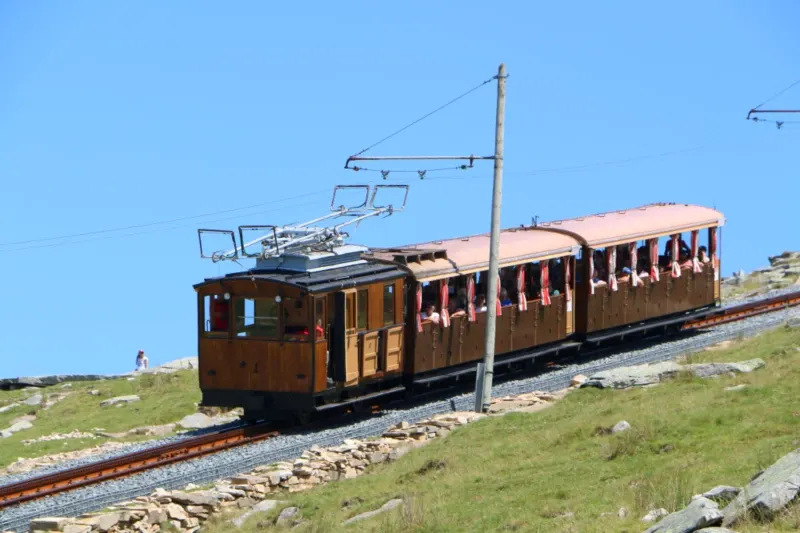
Dove vengono utilizzate le cremagliere ferroviarie?
Dal trasporto merci al trasporto urbano, i sistemi di ingranaggi servono un'ampia varietà di sottosettori ferroviari nel Regno Unito e non solo.
Successo del cliente
Cosa dicono i nostri clienti del settore ferroviario
Risultati concreti ottenuti da team di ingegneri ferroviari che sono passati alle cremagliere Ever Power per i loro sistemi di trasmissione degli assi.
Per il nostro progetto di ammodernamento della flotta metropolitana nelle East Midlands, abbiamo scelto le cremagliere a ingranaggi elicoidali di Ever Power. La riduzione della rumorosità della trasmissione è stata immediatamente percepibile sia dai nostri tecnici che dai passeggeri. L'approvvigionamento è stato semplice, la documentazione completa e il supporto tecnico del team durante l'installazione è stato davvero eccezionale. Le specificheremo senza esitazione per il nostro prossimo programma di ammodernamento della flotta.
In qualità di ingegnere degli acquisti, per me è fondamentale avere un fornitore in grado di rispettare le tempistiche di consegna, fornire certificati dei materiali validi e supportare le proprie affermazioni sui prodotti con dati concreti. Ever Power ha soddisfatto tutti questi criteri per il nostro programma di cremagliere per locomotive merci in Scozia. Il prezzo era competitivo, i tempi di consegna rispettati e i report di qualità erano esattamente quelli richiesti dalla catena di approvvigionamento di Network Rail. Altamente raccomandato per appalti ferroviari seri.
Il nostro progetto di metropolitana leggera nel Galles del Sud richiedeva cremagliere con una configurazione del foro non standard e un trattamento superficiale al fosfato di zinco per soddisfare i requisiti di resistenza agli agenti atmosferici. La maggior parte dei fornitori che abbiamo contattato non era in grado di realizzare la personalizzazione o prevedeva tempi di consegna di 16 settimane. Ever Power è riuscita a realizzare una specifica personalizzata e un lotto di campioni in sole 5 settimane. Le cremagliere sono ora in funzione da 18 mesi senza aver mai richiesto manutenzione. Questo livello di reattività li distingue nettamente.
La nostra capacità produttiva
Soluzioni di cremagliere personalizzate, realizzate in base alle specifiche della vostra ferrovia.
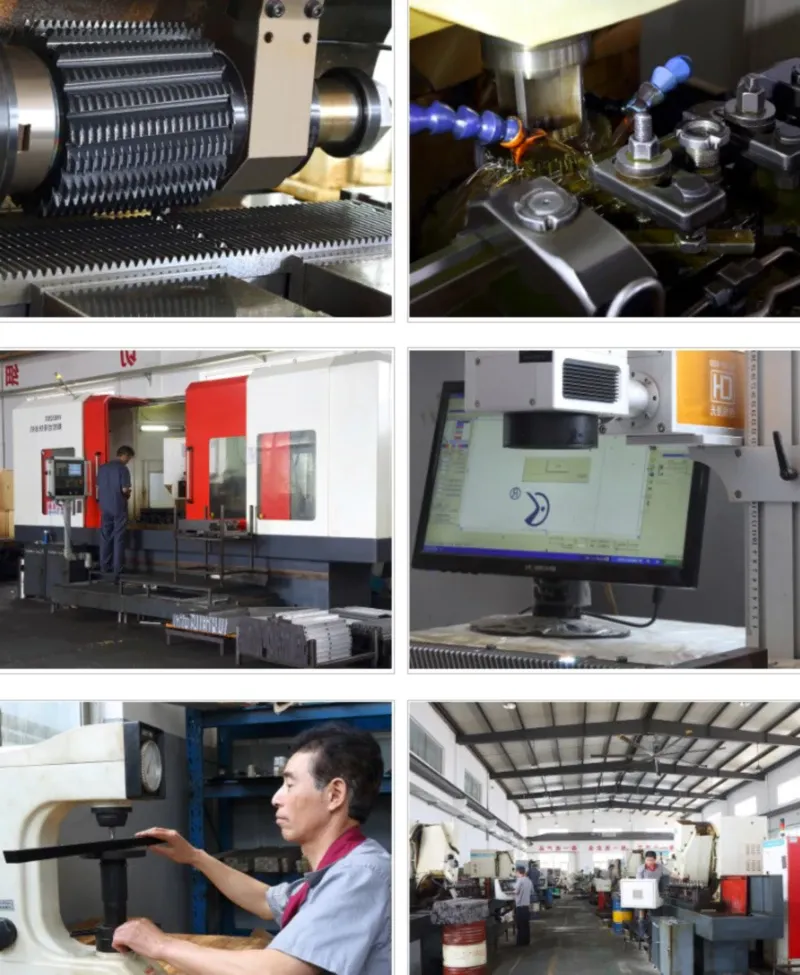
Il settore ferroviario non è un mondo standardizzato. Ogni piattaforma di materiale rotabile, ogni ammodernamento della flotta, ogni nuovo progetto di trasporto urbano presenta dimensioni, carichi e condizioni operative specifici. Lo stabilimento di produzione di Ever Power è attrezzato per rispondere a questa realtà con una reale capacità di ingegneria personalizzata che va ben oltre il semplice taglio a misura di profilati standard.
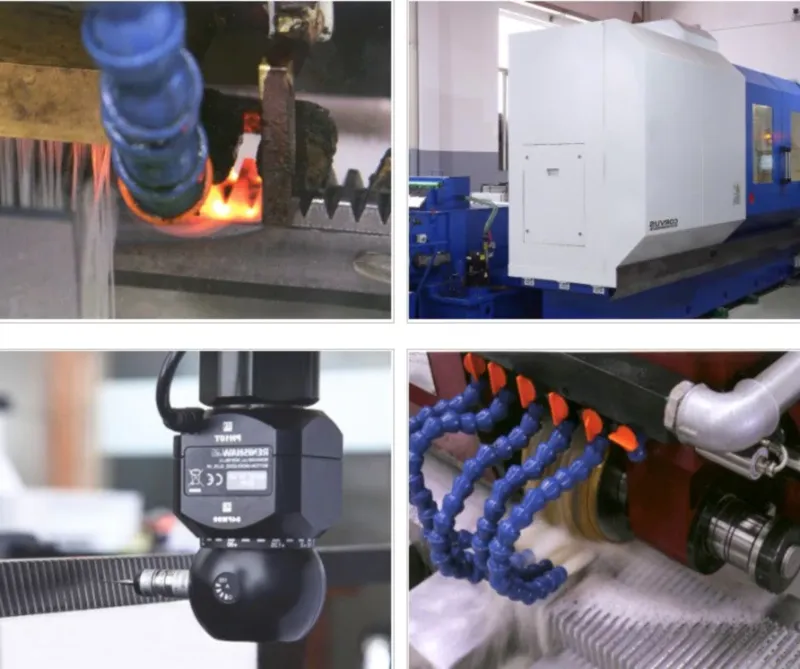
Le nostre macchine dentate a controllo numerico e i centri di rettifica per profili possono produrre cremagliere con moduli da M1 a M20, in lunghezze fino a 3.000 mm per sezione, con schemi di foratura, scanalature per chiavette, trattamenti superficiali e tipi di materiale specificati interamente secondo i disegni del cliente. Il nostro team di ingegneri fornisce supporto DFM (Design for Manufacture) per ottimizzare le specifiche del cliente e garantire una produzione economicamente vantaggiosa, senza compromettere i requisiti strutturali o dimensionali.
Ogni ferrovia personalizzata cremagliera degli ingranaggi I materiali prodotti nel nostro stabilimento sono accompagnati da una documentazione completa sulla qualità: certificati di provenienza, rapporti di prova di durezza, registri di controllo dimensionale conformi agli standard BS EN ISO 1328 e misurazioni della rugosità superficiale, tutti riconducibili a standard di calibrazione nazionali e internazionali. Questa documentazione soddisfa i requisiti di garanzia dei più esigenti quadri di appalto ferroviari del Regno Unito.
Guida alla manutenzione
Come mantenere in perfette condizioni i vostri portapacchi per attrezzature ferroviarie.
La manutenzione programmata è molto meno costosa dei guasti imprevisti. Ecco come i principali operatori ferroviari del Regno Unito strutturano i loro programmi di ispezione e manutenzione delle cremagliere.
Anche le cremagliere ferroviarie di altissima qualità non raggiungeranno la durata di vita nominale prevista se i protocolli di manutenzione sono inadeguati. La cultura della manutenzione ferroviaria nel Regno Unito, plasmata da decenni di esperienza e da un approccio sempre più basato sui dati per la gestione predittiva degli asset, riconosce che gli intervalli di ispezione delle cremagliere devono essere adattati al ciclo di lavoro specifico dell'applicazione, anziché limitarsi ad applicare un programma di sostituzione basato sul calendario.
FAQ
Domande frequenti
Domande frequenti poste da ingegneri ferroviari, team di approvvigionamento e responsabili della manutenzione del materiale rotabile nel Regno Unito.
Pronti a reperire cremagliere per componenti ferroviari per il vostro progetto nel Regno Unito?
Condividi le tue specifiche con il nostro team di ingegneri e ricevi una proposta tecnica dettagliata e un preventivo competitivo entro 48 ore. Dimensioni personalizzate, gradi di precisione e documentazione completa inclusi di serie.
📧 Richiedi un preventivo — [email protected]